
General liability insurance pays when your business is blamed for injuring someone else, damaging their property or harming them through your advertising. For a gym or studio, it usually covers the legal defense plus any settlement or judgment, but not your own injuries, your staff’s injuries, your equipment or claims that your coaching caused harm. […]
Read MoreAuthor: Mike Baker
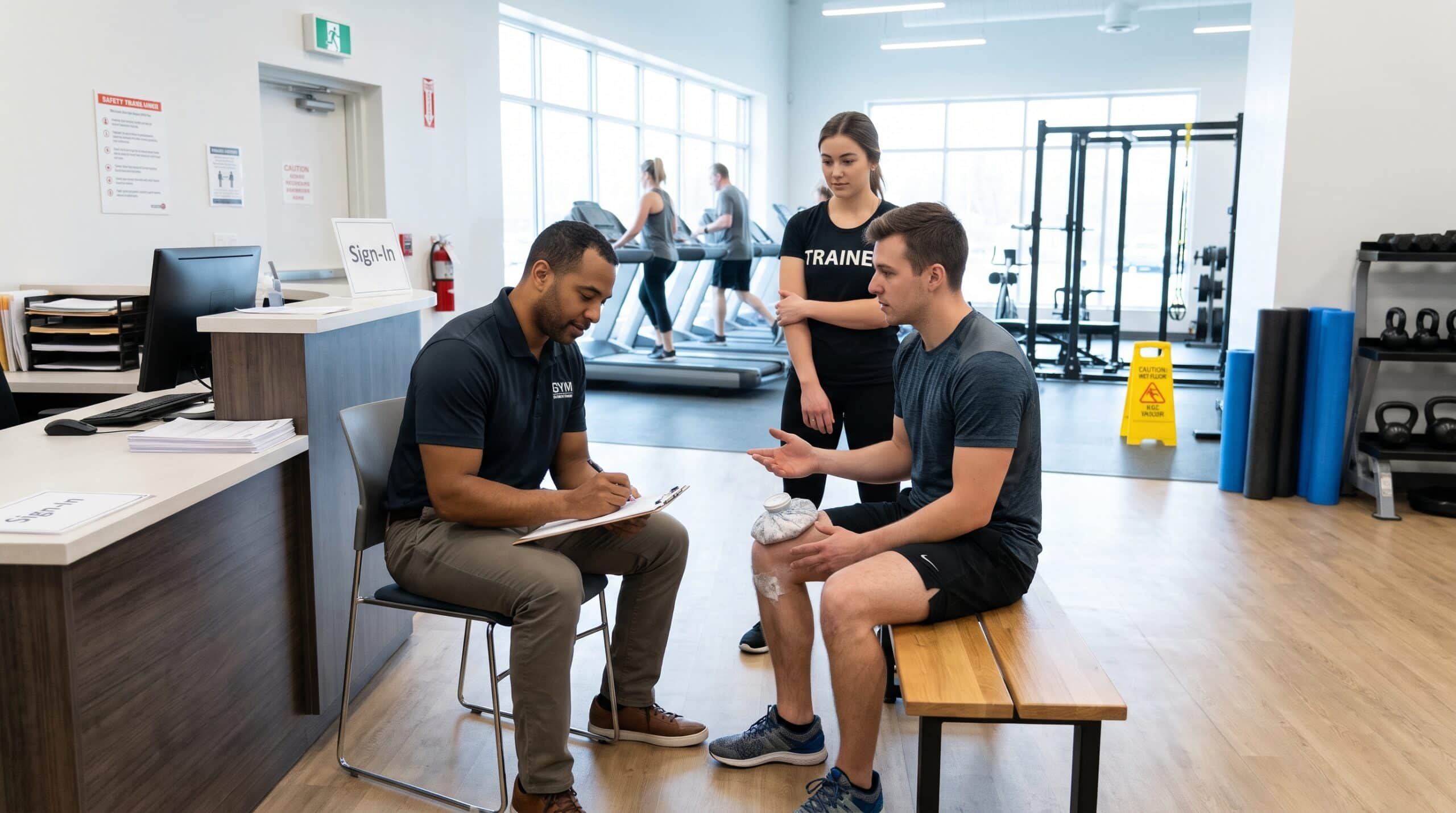
A gym incident report is a written record of an injury, near miss or accident at your facility, completed the same day by the staff member who saw it or responded. It should capture who, what, when, where, the care given and witness names, in plain facts with no guesses about fault, and it should […]
Read More
Kettlebell injuries most often hit the lower back, wrists and forearms, shoulders, and feet, and they usually come from poor technique, too much weight too soon, fatigue, and crowded floors rather than the bell itself. Coaches prevent most of them by teaching the hip hinge first, progressing slowly, cueing grip and wrist position, spacing students […]
Read More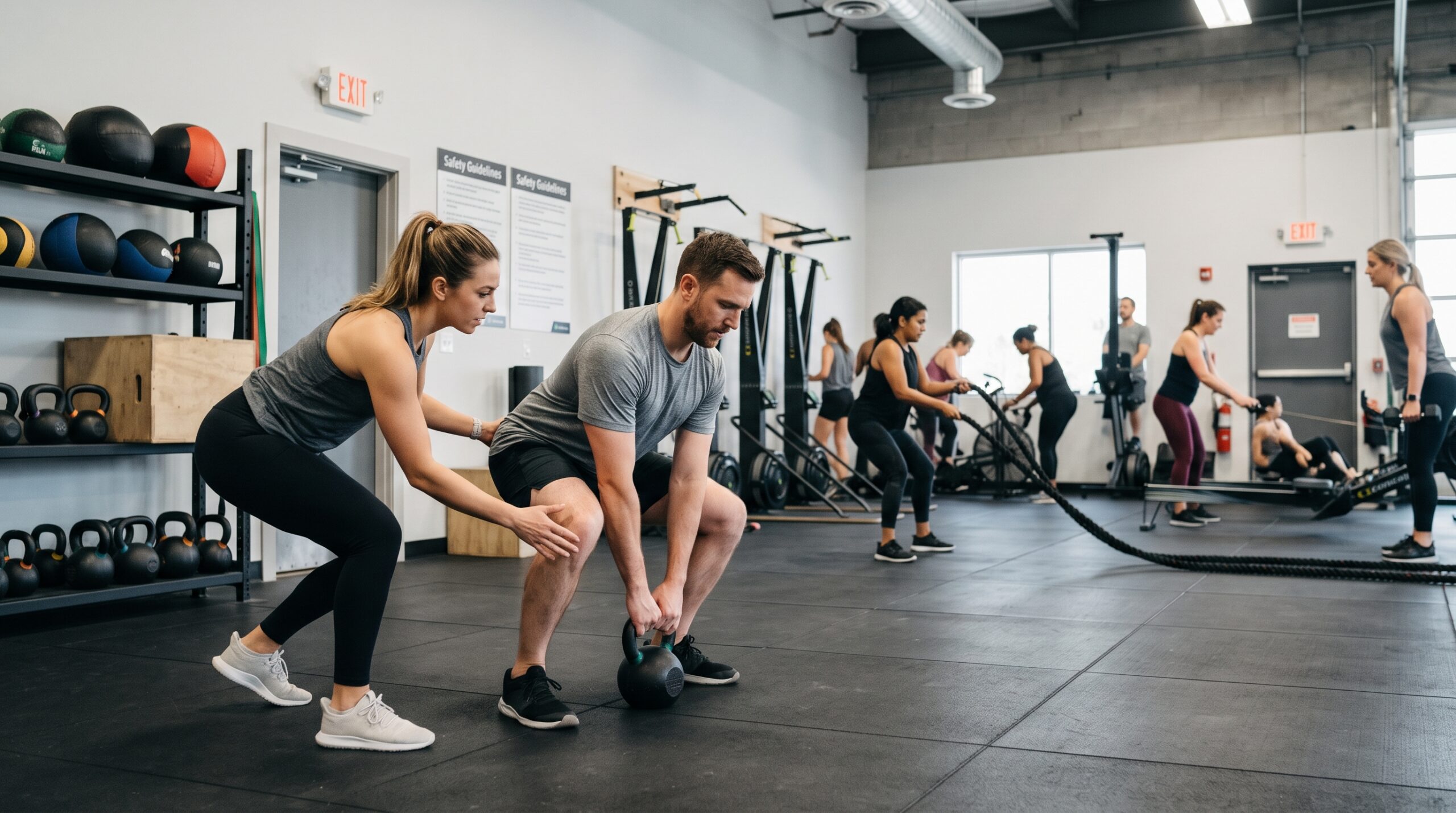
HIIT injuries usually come from fatigue, poor landing mechanics and too much volume too soon, not from the workout style itself. The most common are knee, ankle, shin, lower back and shoulder strains, plus shin scrapes from box jumps, and most are preventable with scaling, coaching ratios and a smarter class plan. For a studio […]
Read More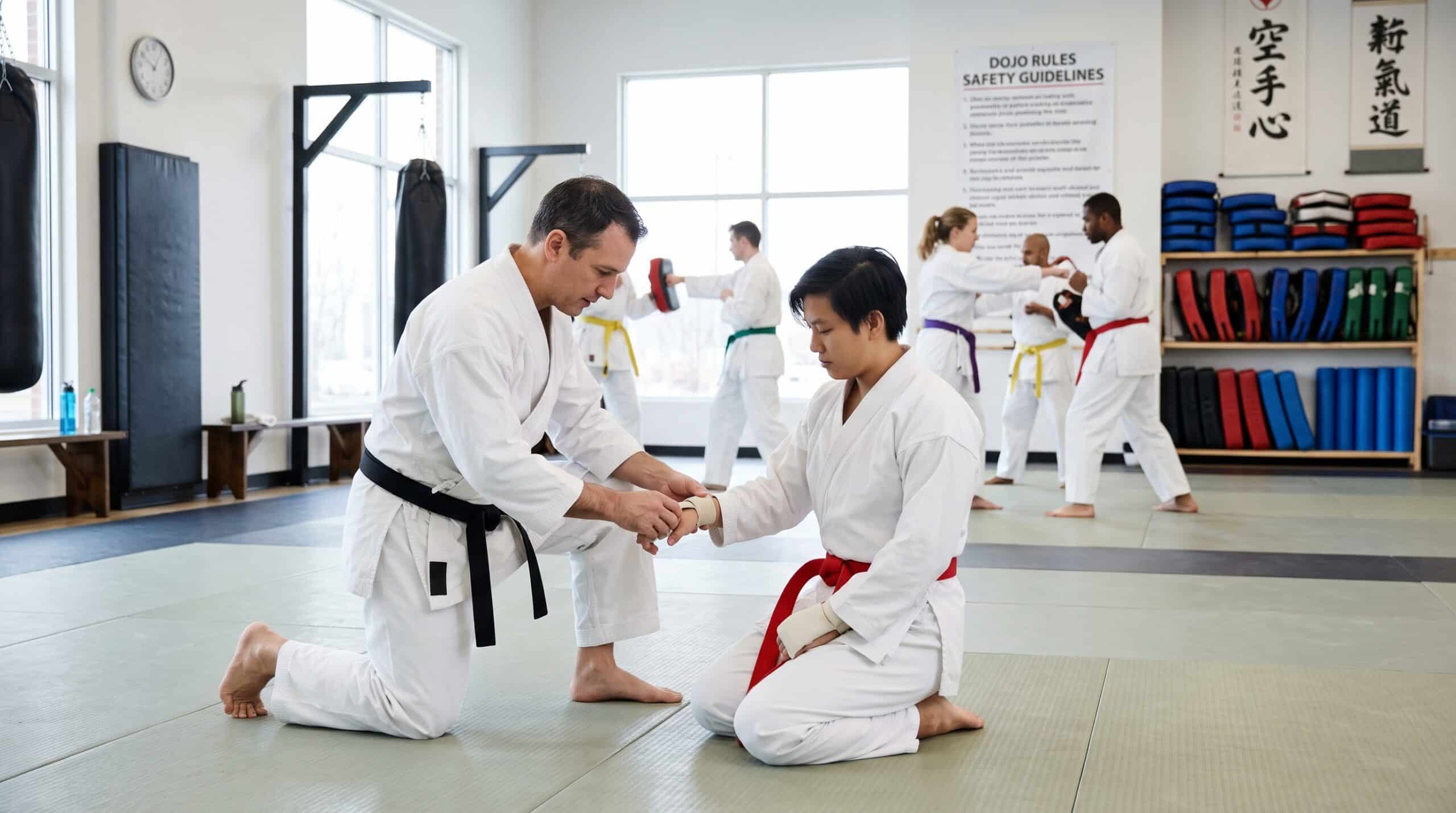
Karate injuries in a dojo are mostly bruises, sprains and fractures to the hands, feet and toes, plus knee strain from deep stances and occasional head contact in kumite. Most happen during sparring, and most are preventable with clear contact levels, proper pads, matched partners and an instructor watching every exchange. For a dojo owner, […]
Read More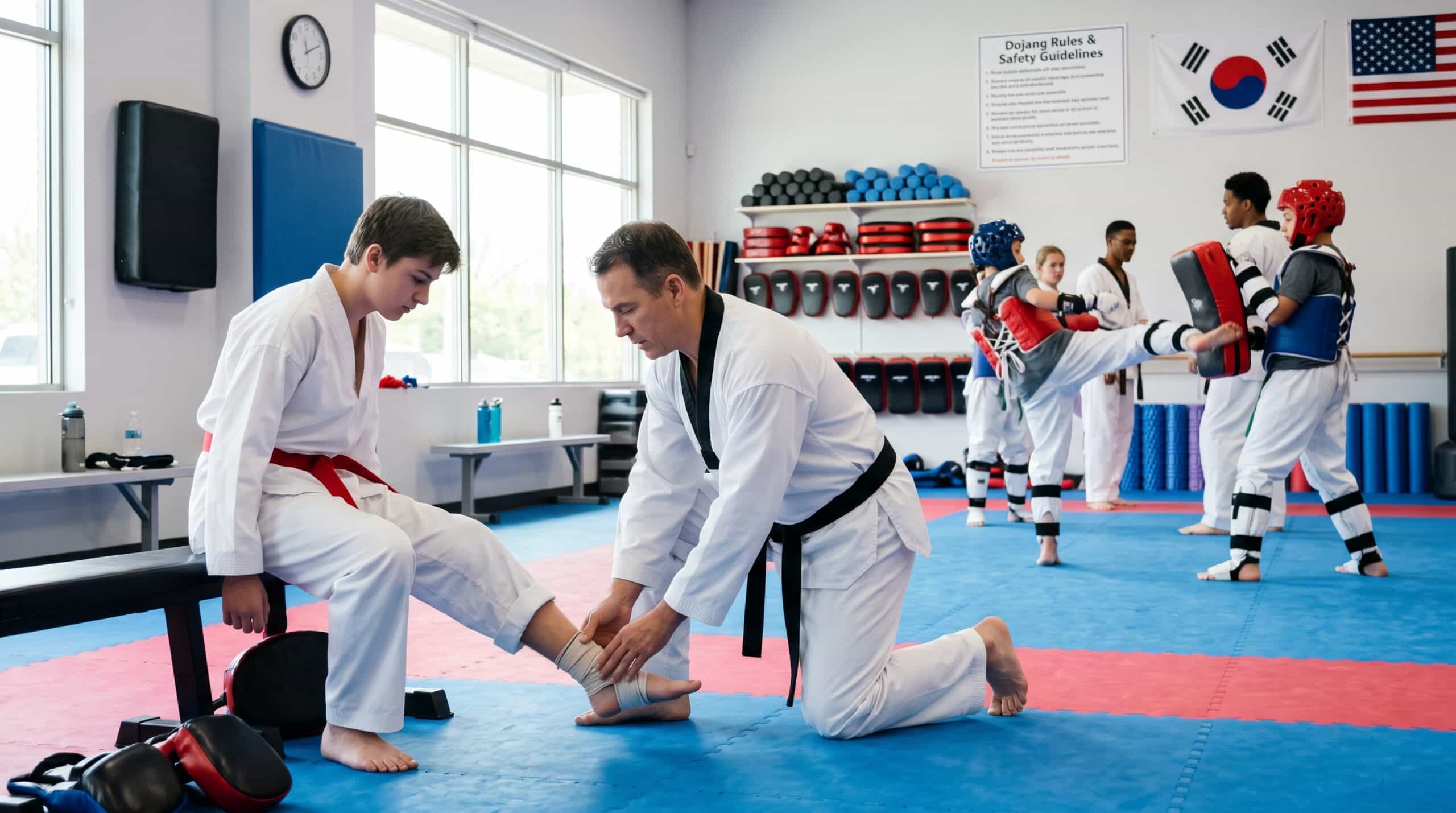
Taekwondo injuries mostly hit the lower body: bruised and broken toes, sprained ankles, foot injuries from kicks that land on elbows or knees, and knee and hip strain from high, fast kicking. Head kicks cause fewer injuries but the most serious ones, so concussion awareness, contact rules and fitted gear matter more than anything else […]
Read More
To learn how to organize a fun run, start with five decisions: a short, safe route, the permits it needs, enough volunteers to marshal it, water and a medical plan, and a waiver signed by every runner. Keep it short, casual and untimed, and confirm your insurance covers it before you announce a date. Fun […]
Read More
Here’s how to start a running club: pick a regular day, time and meeting spot, map one or two short routes on sidewalks and quiet streets, set pace groups so nobody runs alone, and have every runner sign in and sign a waiver before the first run. Add trained run leaders, clear weather and night-running […]
Read More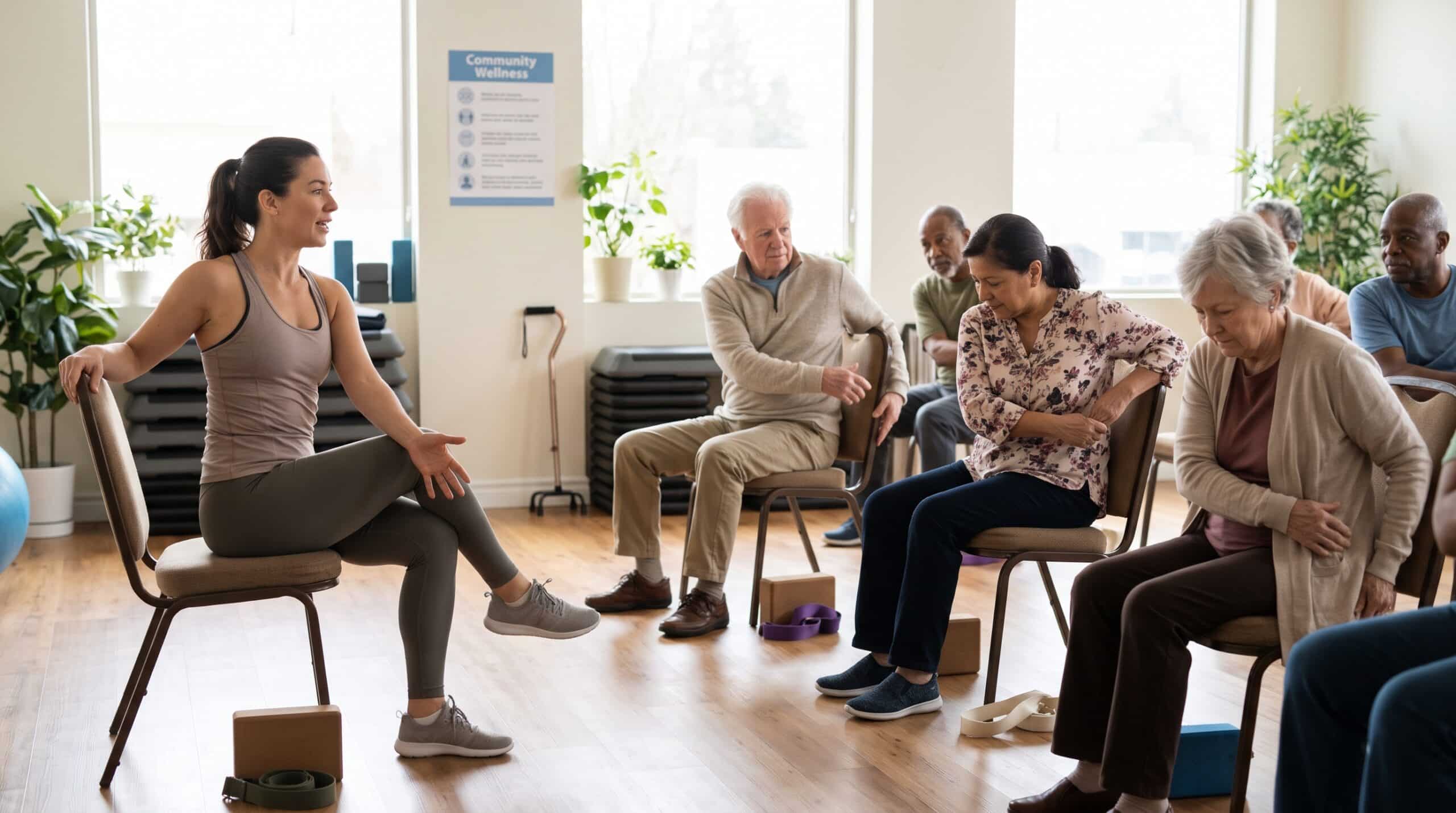
Chair yoga for seniors is a gentle yoga class where students sit on, or stand holding, a sturdy chair, so older adults can stretch, strengthen and breathe without getting down to the floor. A safe class comes down to four things: a health intake before the first class, armless chairs on a non-slip floor, slow […]
Read More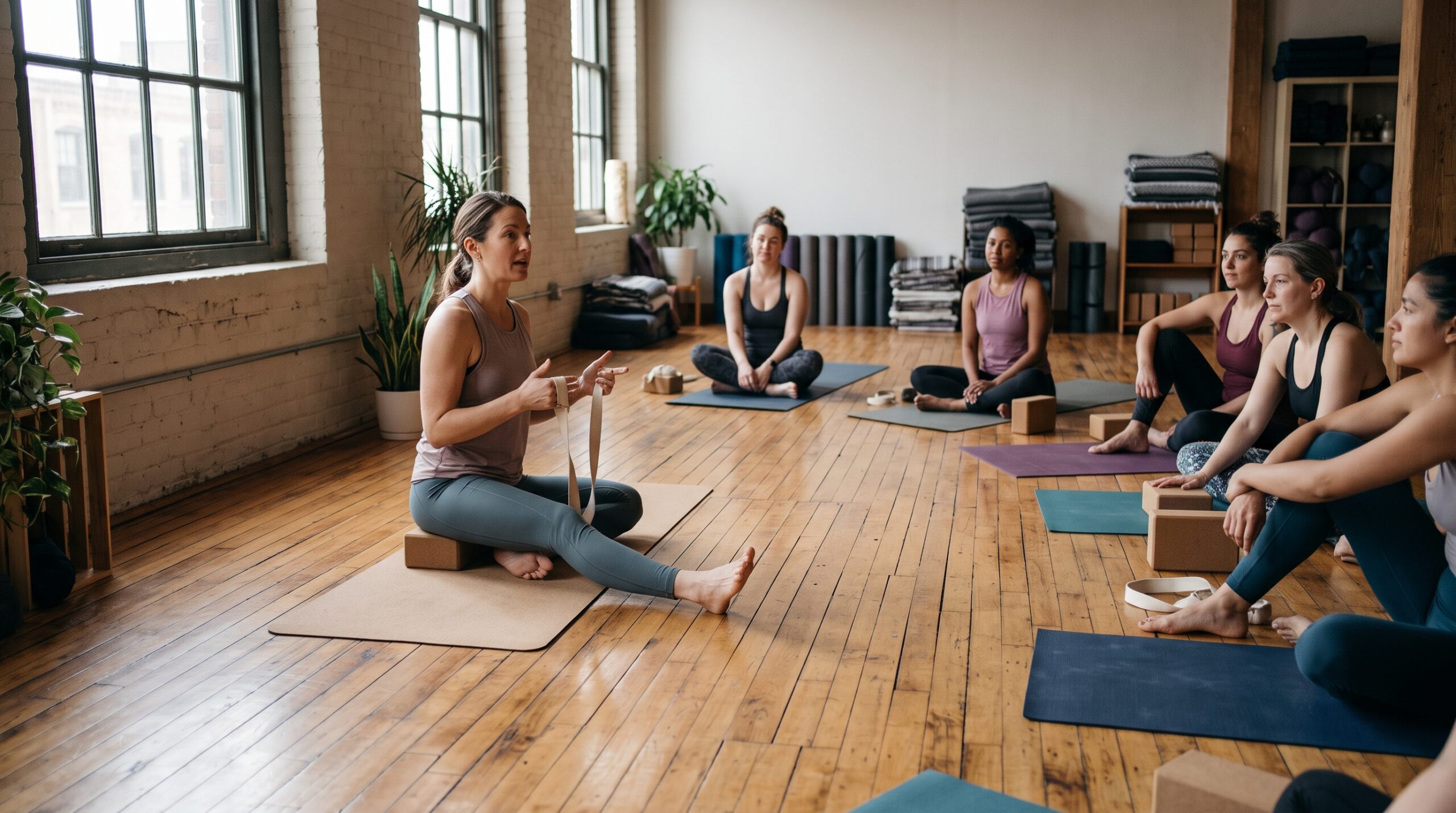
To learn how to host a yoga workshop, start with the teacher and the paperwork: vet the guest teacher, sign a short written agreement, collect their certificate of insurance, and make every attendee sign your waiver. Then set room capacity, a consent rule for hands-on assists, and a clear payment split before you sell a […]
Read More