
Workers comp for independent contractors starts with a simple rule: your gym usually doesn’t have to cover true independent contractors under its workers’ comp policy. The catch is the word “true.” If a coach you pay as a contractor is really an employee under your state’s rules, your gym can owe workers’ comp for them […]
Read More
Personal trainer insurance cost depends on where you train, who you train, how you train and how much coverage you buy. For most independent trainers it’s affordable, usually far less than a single claim would cost to defend. The price moves with in-home and outdoor sessions, online clients, small groups, specialties like boxing or prenatal […]
Read More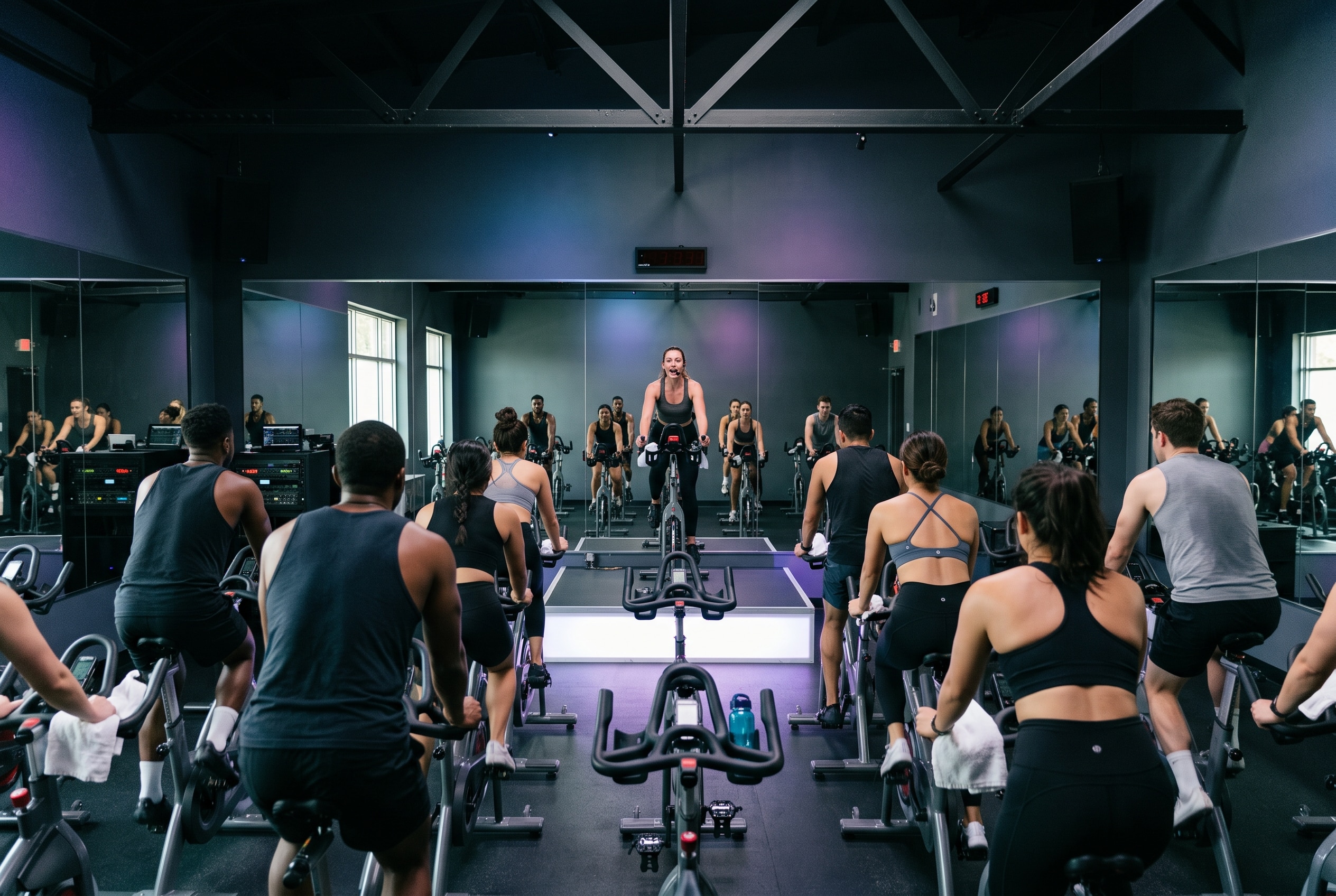
Spin instructor insurance protects you when a rider gets hurt in your class and blames your setup, your cues or your intensity. Most indoor cycling instructors need general liability and professional liability, and many studios won’t put you on the schedule without a certificate showing both. If you teach at more than one studio, you […]
Read More
Premises liability is the legal responsibility to keep the space you own or control reasonably safe for the people you invite in. For a gym or studio, that means members, drop-in guests, parents in the lobby and the delivery driver at the back door. If someone gets hurt because of a hazard you knew about, […]
Read More
The declarations page is the summary at the front of your insurance policy that shows who is covered, for how long, for what, up to what amount, and which forms make up the rest of the policy. Read it first, every time you buy or renew. Most coverage problems a gym owner or trainer could […]
Read More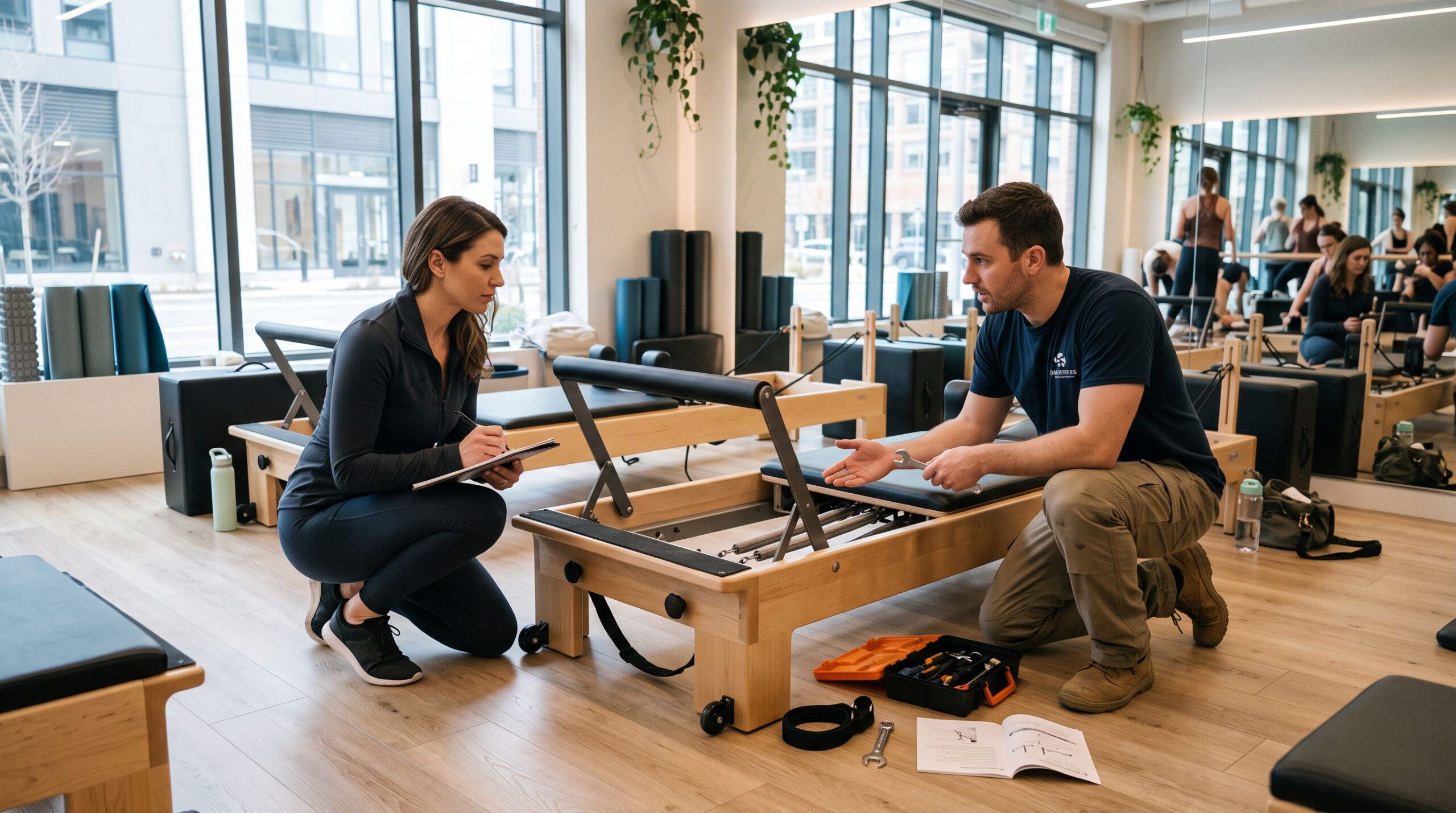
Replacement cost vs actual cash value is the difference between getting paid what it costs to buy new equipment today and getting paid what your old equipment was worth after years of wear. Replacement cost pays to replace damaged property with new property of similar kind and quality. Actual cash value pays that amount minus […]
Read More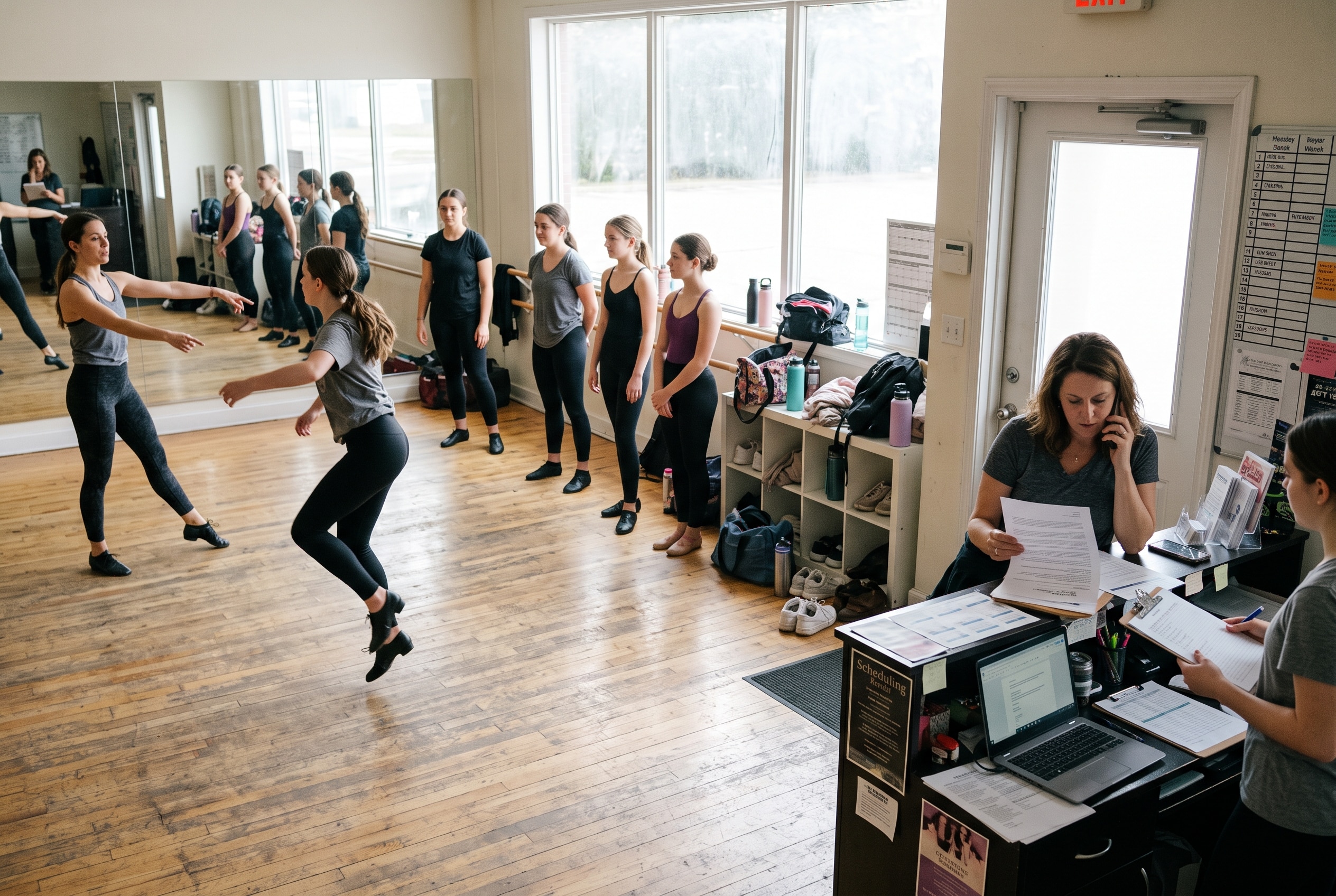
Dance Studio Insurance: The Risks Owners Miss and What Covers Them Dance studio insurance protects your business when a student gets hurt, a parent files a claim, equipment is damaged or an event goes wrong. Most studio owners buy a policy when they open and don’t look at it again. But a studio changes every […]
Read More
Occurrence vs claims made comes down to one question: which policy pays when a claim shows up long after the incident? An occurrence policy covers incidents that happen while the policy is active, no matter when the claim is filed. A claims-made policy covers claims filed while the policy is active, as long as the […]
Read More
Employment practices liability insurance (EPLI) pays to defend your business when a current, former or prospective employee claims you broke employment law, like firing them unfairly, harassing them, or discriminating against them. It usually covers your legal defense plus settlements or judgments. General liability and workers’ comp don’t cover these claims, so without EPLI the […]
Read More
An additional insured is a person or business you add to your liability policy so they get protection if they get pulled into a claim caused by your work. Gyms that rent you space, landlords, apartment buildings, schools and corporate clients ask for it because they don’t want to pay for your mistakes. Adding them […]
Read MoreRecent Posts
 October 15, 2026


