Last Updated: August 14, 2026
What insurance does a martial arts studio need?
A martial arts studio should carry general liability insurance with participant coverage, professional liability, property and equipment coverage, workers’ compensation when required, and — for programs serving minors — abuse and molestation coverage. NEXO Insurance Services packages these coverages specifically for martial arts studios, with plans starting at $750+ per year. Studios that run tournaments, belt tests, seminars, or off-site demonstrations may also need event or special-event coverage. Because standard general liability policies often exclude or limit injuries to athletic participants, NEXO confirms how each policy addresses participant injuries before a studio buys.
| Coverage | What it protects against | Required? |
|---|---|---|
| General liability (with participant coverage) | Student and visitor injury claims, property damage to others, personal injury | Often required by landlords or lease agreements |
| Participant accident / secondary medical | Medical costs from training injuries on a no-fault basis, without triggering a liability claim | Often recommended |
| Professional liability | Claims of improper instruction, inadequate supervision, or unsafe progression | Often recommended |
| Abuse and molestation | Allegations of abuse involving minors or vulnerable adults | Important for programs involving minors or vulnerable individuals; requirements vary |
| Property and equipment | Mats, bags, protective gear, flooring, mirrors, and tenant improvements | Recommended based on owned property, equipment, and tenant improvements |
| Business interruption | Lost income during a covered closure | Optional; commonly recommended |
| Workers’ compensation | Instructor and staff injuries sustained on the job | Requirements vary by state and employment situation |
| Hired and non-owned auto | May be needed when employees or owners drive personal or rented vehicles for business purposes. | May be needed when personal or rented vehicles are used for business |
| Event / special event | May be required by venues, organizers, or policy terms. | May be required by venues, organizers, carriers, or policy terms |
How Much Does Martial Arts Studio Insurance Cost?
Martial arts studio insurance pricing varies based on the size of the business,
the activities offered, the number of students and employees, the value of the
property and equipment, and the coverage selected.
NEXO’s STARTER insurance package begins at $750+ per year,
which is approximately $62.50+ per month when expressed as a
monthly equivalent.
| Pricing Factor | How It Can Affect Your Insurance Cost |
|---|---|
| Starting annual premium | $750+ per year |
| Monthly equivalent | Approximately $62.50+ per month |
| Number of students | Larger student populations may increase participant exposure and can affect underwriting. |
| Martial arts disciplines offered | The types of martial arts taught and their level of physical contact may affect how the risk is evaluated. |
| Sparring and contact level | Light-contact instruction, controlled sparring, and full-contact activities may be evaluated differently during underwriting. |
| Programs involving minors | Youth programs may create additional coverage, supervision, screening, and safeguarding considerations. |
| Studio size and operations | Facility size, services offered, equipment, tenant improvements, and overall operations may affect pricing. |
| Employees and instructors | Employee count, payroll, instructor classifications, and workers’ compensation needs may affect the total insurance cost. |
| Gross revenue | Expected gross revenue is one of the factors that may be considered when determining premium. |
| Property value | The value of business property, equipment, furnishings, and other property inside the facility may affect pricing. |
| Coverage limits and options | Higher limits or additional coverage options may increase the overall premium. |
What Determines the Cost of Martial Arts Studio Insurance?
Two martial arts studios can pay different insurance premiums even when they
appear similar. Pricing can depend on factors such as expected gross revenue,
number of active students or members, property value, martial arts disciplines
offered, level of physical contact, employee count, coverage limits, and the
specific insurance protections selected.
For example, a smaller martial arts school focused primarily on controlled
instruction may present a different insurance risk than a larger facility
offering full-contact sparring, tournaments, youth programs, and multiple
martial arts disciplines.
How We Source Our Pricing
The pricing information on this page is based on NEXO Insurance Services’
currently published pricing information. NEXO’s STARTER package begins at
$750+ annually. Actual premiums may vary based on expected
gross revenue, number of active members, property value, coverage selections,
underwriting requirements, and the individual characteristics of the business.
The monthly amount shown above is a monthly equivalent of the annual starting
price and does not necessarily represent an available monthly payment option.
Insurance premiums, eligibility, coverage, limits, exclusions, and terms are
subject to underwriting and may vary by business, carrier, policy, and state.
Pricing reviewed: August 7, 2026
For an accurate martial arts studio insurance cost, request a personalized
quote from NEXO Insurance Services.
Running a martial arts studio can be incredibly rewarding, providing a place where individuals can learn self-defense, improve their fitness, and build discipline and confidence. However, like any business, operating a martial arts studio comes with its own set of risks. From potential injuries during training sessions to property damage, numerous situations can arise and disrupt your business. Whether your martial arts studio offers Jiu-Jitsu, Krav Maga, Kickboxing, or Boxing training, this is where martial arts studio insurance becomes essential.
The nature of martial arts involves physical contact, grappling, and intense physical exertion. These actions inherently carry the risk of sprains, strains, fractures, concussions, and other injuries. Insurance helps mitigate these risks by providing coverage for medical expenses, ensuring injured individuals receive timely and adequate care without burdening the studio with significant out-of-pocket costs.
For studio owners, martial arts insurance is a critical risk management tool. It helps cover liability claims, reducing the financial strain from potential lawsuits arising from participant injuries. Workers’ compensation, a state-mandated coverage separate from health insurance, is essential for protecting employees, including instructors and support staff. Martial arts instructor insurance includes coverage for employee-related medical treatment and compensation for on-the-job injuries.
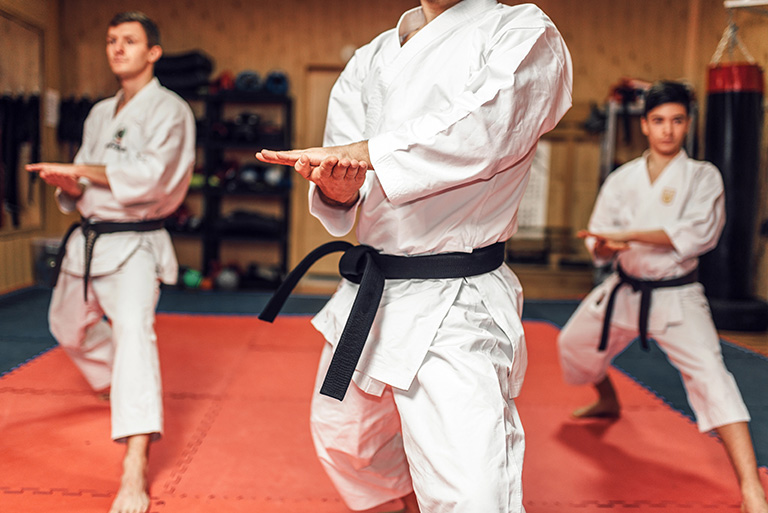
Moreover, having martial arts insurance enhances the studio’s reputation and credibility, demonstrating a commitment to both instructors and students.. It fosters a safer training environment by ensuring access to necessary medical care and supporting robust safety and risk management practices. Ultimately, it’s a vital investment that safeguards martial arts studios’ financial stability and operational integrity.
NEXO understands how essential it is for martial arts studio owners to manage the financial risks of running a successful studio. That is why we offer various coverage options that lower the financial and legal risks of operating a martial arts business.
Our martial arts studio insurance helps foster a safer and more secure working environment for instructors and helps provide a best-in-class experience for students.
Why Martial Arts Studios Need Insurance
Protecting Against Liability
One of the primary reasons martial arts studios need insurance is to protect against liability claims. Martial arts involve physical contact and exertion, which increases the risk of injuries. Whether it’s a student twisting an ankle during a Jiu-Jitsu class or a more severe injury like a concussion from boxing, the potential for accidents is always present. Liability insurance helps cover the costs associated with these incidents, including medical expenses and legal fees if a lawsuit arises.
Safeguarding Property And Equipment
Martial arts studios often require specialized equipment, such as mats, punching bags, and protective gear, which can be expensive to replace. Additionally, the physical space where the studio operates needs protection from potential damage due to incidents like fires, floods, or vandalism. Property insurance ensures that your investment in both equipment and facilities is protected.
Ensuring Business Continuity
Unexpected events like natural disasters, theft, or other disruptions can disrupt business operations. Business interruption insurance helps cover the loss of income during these periods, allowing you to maintain financial stability while you recover and rebuild your martial arts studio.
Types Of Insurance Coverage For Martial Arts Studios
General Liability Insurance
General liability insurance is essential for protecting your martial arts studio from third-party claims of bodily injury, property damage, and personal injury. This type of insurance covers incidents, such as a student getting injured during a class or a visitor slipping and falling on your premises.
Key Features:
- Bodily Injury Coverage: Pays for medical expenses and legal fees if a student or visitor is injured at your studio.
- Property Damage Coverage: Covers the cost of repairing or replacing property damaged by your business operations.
- Personal Injury Coverage: Protects instructors and your martial arts business against claims of defamation, libel, or slander.
Professional Liability Insurance
Professional liability insurance, also known as errors and omissions insurance, protects your business against claims of negligence, errors, or omissions in the professional services you provide. For martial arts instructors, this is crucial as it covers claims related to improper instruction or failure to provide a safe training environment.
Key Features:
- Negligence Coverage: Protects against claims of negligence in instruction or training.
- Legal Defense: Covers legal fees and settlements if a lawsuit arises from professional services.
Read More: General Liability Versus Professional Liability Insurance: What Is The Difference?
Property Insurance
NEXO offers property insurance for martial arts studios that covers everything from the flooring to the facility’s windows, whether it’s leased or owned. Our property insurance protects your studio’s physical assets, including the building, equipment, and inventory, from risks such as fire, theft, vandalism, and natural disasters.
Key Features:
- Building Coverage: Protects the physical structure of your studio, including window glass.
- Theft Coverage: Covers equipment, inventory, and other contents within the studio.
- Business Interruption Coverage: Provides compensation for lost income if your business operations are halted due to a covered event.
Workers’ Compensation Insurance
Workers’ compensation insurance is mandatory in most states and provides coverage for employees who become injured or ill while working. This is particularly important for martial arts studios, where instructors and staff may be at risk of injury during training sessions.
Key Features:
- Medical Benefits: Covers medical expenses for work-related injuries or illnesses.
- Disability Benefits: Provides compensation for lost wages if an employee cannot work due to an injury.
- Legal Protection: Protects your business from lawsuits related to workplace injuries.
Business Interruption Insurance
Business interruption insurance helps cover the loss of income if your martial arts studio cannot operate due to a covered event, such as a fire or natural disaster. This type of insurance ensures that you can continue to pay ongoing expenses, such as rent and employee salaries, while your business is closed.
Equipment Breakdown Insurance
Equipment breakdown insurance covers equipment repairs and replacement costs due to mechanical or electrical failure. This is crucial for martial arts studios that rely on specialized equipment for training.
Key Features:
- Repair Costs: Covers the cost of repairing or replacing damaged equipment.
- Business Interruption: Provides compensation for lost income if equipment breakdowns disrupt business operations.
Choosing the Right Insurance Policies
Assessing Your Risks
The first step in choosing the right insurance for your martial arts studio is to research insurers. It’s far more advantageous to choose an insurer that specializes in Jiu-Jitsu, Krav Maga, Kickboxing, and Boxing.
NEXO specializes in martial arts disciplines including Jiu-Jitsu, Krav Maga, Kickboxing, and Boxing, and matches coverage to the disciplines you teach, your student count, and your specific risks.
Evaluating Coverage Limits
Ensure that the policies you choose have adequate coverage limits to protect your business. Coverage limits are the maximum amount an insurance policy will pay out for a claim. Higher limits provide more protection but may come with higher premiums. It’s important to balance the level of coverage with the cost to ensure you are adequately protected without overpaying.
Reading The Fine Print
Carefully read the policy details to understand what is covered and excluded. Some policies might exclude certain types of damage or have specific coverage conditions. Make sure you fully understand the terms and conditions to avoid surprises should you need to file a claim.
Seeking Professional Advice
Consider working with a NEXO insurance representative. They can help you navigate the complexities of martial arts studio insurance coverage and ensure you have the right policies in place to protect your business.
Preventive Measures
Implementing Safety Protocols
To minimize the risk of injuries, it’s important to implement strict safety protocols at your martial arts studio. This includes ensuring that instructors are properly trained, maintaining a safe training environment, and regularly inspecting equipment for any signs of wear and tear.
How do safety protocols affect what I pay?
Underwriters price martial arts risks partly on documented procedure. Two studios with the same square footage and student count can land in different rate bands based entirely on what they can show in writing.
- Contact levels. Carriers ask how you classify sparring — light contact, controlled, or full contact — and whether you run smokers or sanctioned bouts. Misstating this is the most common cause of a claim denial or non-renewal.
- Concussion response. A written protocol covering removal from training, referral, and clearance before return. Many states have youth concussion statutes; whether yours reaches private studios varies, so check locally.
- Supervision ratios. Applications routinely ask about instructor-to-student ratios during live drilling, particularly for minors. Have a number and hold to it.
- Progression standards. Documented prerequisites before a student rolls live or spars — breakfalls before throws, for example. This is your defense against a negligent-instruction claim.
Put all of it in writing. Documented safety protocols can help underwriters evaluate your risk controls and may provide useful evidence if a liability claim arises.
What do I need to document about my instructors?
Instructor screening is where premium reduction and coverage eligibility overlap. Some carriers may require documented background screening or other safeguarding procedures as a condition of eligibility for abuse and molestation coverage.
- Run background checks on every instructor and assistant with student contact, and re-run them on a set cycle
- Keep current first aid and CPR certification on file for anyone leading a class
- Maintain rank certification and instructor credentials for each discipline taught
- Document your two-adult rule for minors — no instructor alone with a student
- Retain signed participant agreements and, for minors, parental medical release and emergency contact forms
Keep these in one accessible file. When a claim comes in, the studio that produces documentation the same day is in a materially different position than the one that spends two weeks reconstructing it.
Can I control skin infections — and does insurance cover them?
Grappling programs have a specific exposure that striking gyms don’t: skin-to-mat and skin-to-skin transmission. Staph and MRSA, ringworm, and herpes gladiatorum spread fast in BJJ, wrestling, and judo rooms, and an outbreak can close a program for weeks.
Most general liability policies carry a communicable disease exclusion, which means an infection claim may not be covered at all. That makes prevention the actual control, not the policy.
- Disinfect mats with an EPA-registered product after every session, not nightly
- Enforce a visible-lesion rule — no training with open wounds or active skin conditions, covered or not
- Require showering after training and prohibit shared towels, gis, and headgear
- Keep a written cleaning log; carriers ask for one after a claim
Ask your broker directly whether your policy excludes communicable disease and what, if anything, can be endorsed back.
The Importance Of Martial Arts Studio Insurance
Martial arts studio insurance is essential for protecting your business from a wide range of risks, including liability claims, property damage, and cyber threats. By understanding the different types of coverage available and choosing the right policies for your specific needs, you can ensure that your studio is well-protected and can continue to provide a safe and supportive environment for your students.
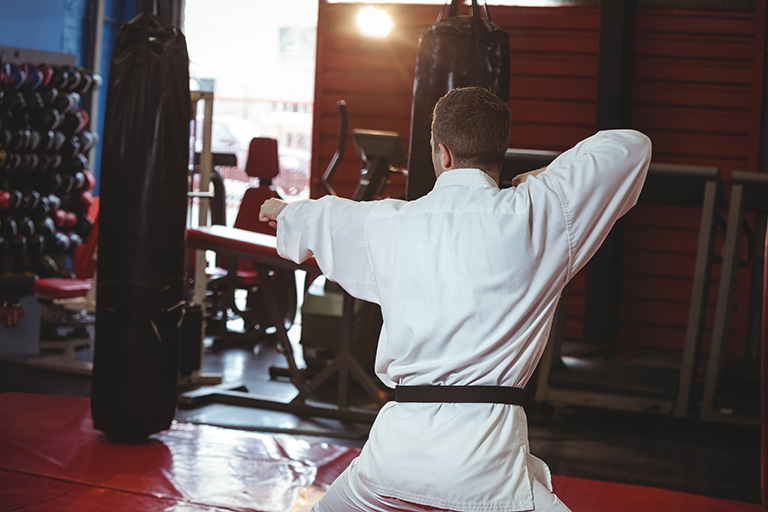
In addition to purchasing insurance, implementing preventive measures such as safety protocols, property security, staff training, and cybersecurity can further reduce your risks and enhance the overall security of your business. By taking these steps, you can focus on what you do best: teaching martial arts and helping your students achieve their goals.
Martial arts studio insurance is a vital investment for martial arts studio owners. It offers financial protection, legal compliance, employee welfare, enhanced reputation, effective risk management, and peace of mind.
Martial Arts Insurance Claim Scenarios
The following examples illustrate situations a martial arts studio could encounter. Whether a claim is covered depends on the specific policy, facts, exclusions, limits, and applicable coverage.
Student Injury During Training
Scenario: A new student suffers a serious knee injury during a takedown drill and alleges that the studio failed to provide appropriate instruction or supervision.
Coverage to review: General liability, participant liability, and professional liability coverage may be relevant depending on how the policy is written and the allegations involved.
How NEXO helps: NEXO reviews how a studio’s general, participant, and professional liability coverages fit together, so an instruction-and-supervision claim isn’t left in a gap between policies.
Visitor Slip-and-Fall
Scenario: A parent attending a belt-testing event slips on a wet entrance floor and suffers a fractured wrist.
Coverage to review: General liability insurance may respond to claims alleging bodily injury caused by unsafe premises conditions, subject to the policy terms.
How NEXO helps: NEXO writes general liability for martial arts studios with premises exposures like belt-testing events and spectator areas in mind.
Instructor Injured While Teaching
Scenario: An employed instructor injures their shoulder while demonstrating a throwing technique during class and requires medical treatment and time away from work.
Coverage to review: Workers’ compensation may apply when required and when the injured instructor qualifies as an employee under applicable law and the policy.
How NEXO helps: NEXO helps studios determine when workers’ compensation is required and places coverage that fits their staffing and state rules.
Allegation Involving a Minor
Scenario: A parent alleges that an instructor behaved inappropriately toward a minor student during a private training session.
Coverage to review: Abuse and molestation coverage may be relevant if included in the studio’s policy and if the circumstances fall within its terms and conditions.
How NEXO helps: NEXO builds abuse and molestation coverage into youth-program policies and helps studios put the screening and safeguarding controls carriers expect in place.
Equipment or Studio Property Damage
Scenario: A fire damages mats, training equipment, office furniture, and tenant improvements inside the martial arts studio.
Coverage to review: Commercial property coverage may help protect covered business property and improvements, subject to the cause of loss and policy terms.
How NEXO helps: NEXO writes property coverage that accounts for the mats, training equipment, and tenant improvements specific to a studio build-out.
Accident While Running a Business Errand
Scenario: An instructor uses a personal vehicle to pick up equipment for the studio and is involved in an accident.
Coverage to review: Hired and non-owned auto coverage may be relevant when personal or rented vehicles are used for business purposes, depending on the policy and circumstances.
How NEXO helps: NEXO flags the hired and non-owned auto exposure studio owners routinely miss when staff use personal vehicles for the business.
Tournament Injury
Scenario: A participant is injured during a tournament hosted by the studio and alleges inadequate supervision or unsafe event conditions.
Coverage to review: General liability, participant-related coverage, and special-event coverage may be relevant depending on how the event and activities are insured.
How NEXO helps: NEXO helps studios line up event or special-event coverage before they host tournaments, belt tests, or seminars.
FAQs About Martial Arts Studio Insurance
What does martial arts studio insurance cover?
Martial arts studio insurance typically includes general liability, professional liability, property insurance, workers’ compensation, business interruption insurance, equipment and breakdown insurance. These policies cover a range of risks, including bodily injury to students, property damage, professional negligence, and equipment failure.
Why is insurance important for my martial arts studio?
Insurance is crucial for protecting your studio against financial losses from accidents, injuries, property damage, and lawsuits. It ensures that you can continue operating your business even in the face of unexpected events, providing peace of mind to you and your clients.
Can I operate my studio without insurance?
While it might be legally possible to operate without insurance in some areas, doing so is highly risky. Operating without appropriate insurance can expose the business and, depending on the circumstances and business structure, its owners to significant financial risk from injuries, property damage, lawsuits, and other claims.
Types of Coverage
What is general liability insurance?
General liability insurance protects your business from third-party claims of bodily injury, property damage, and personal injury. It covers incidents like a student getting injured during a class or a visitor slipping and falling on your premises.
What does professional liability insurance cover?
Professional liability insurance covers claims of negligence regarding the professional services you provide. For martial arts instructors, this includes improper instruction or failure to provide a safe training environment.
What is property insurance?
Property insurance covers damage to your studio’s physical assets, including the building, equipment, and inventory, from risks such as fire, theft, vandalism, and natural disasters.
Why do I need workers’ compensation insurance?
Workers’ compensation insurance is required in most states and covers medical expenses and lost wages for employees who are injured or become ill due to their job. It also protects your studio from lawsuits related to workplace injuries.
What is business interruption insurance?
Business interruption insurance compensates for lost income if your martial arts studio is unable to operate due to a covered event, such as a fire or natural disaster. It helps cover ongoing expenses, such as rent and instructor compensation, while your business is closed.
What does equipment breakdown insurance cover?
Equipment breakdown insurance covers the cost of repairing or replacing equipment that breaks down due to mechanical or electrical failure. This is important for studios that rely on specialized equipment for training.
Choosing the Right Insurance
How do I determine what types of insurance my studio needs?
Consider the disciplines you offer and assess the specific risks associated with your business. Consulting with NEXO can help you determine the most appropriate coverage for your martial arts studio needs.
What should I look for in an insurance policy?
Look for policies that offer comprehensive coverage for the risks specific to your business, have adequate coverage limits, and include clear terms and conditions. Ensure that the policies do not have exclusions that could leave you vulnerable.
Costs and Premiums
How much does martial arts studio insurance cost?
The cost of insurance varies depending on factors, such as the size of your studio, the number of students, the types of classes offered, and your location.
Can I reduce my insurance premiums?
Yes, you can often reduce premiums by implementing safety protocols, maintaining a clean and secure facility, training staff in emergency procedures, and having a good claims history. Additionally, bundling different types of insurance with the same provider can sometimes result in discounts.
Filing a Claim
How do I file an insurance claim?
To file a claim, contact your insurance provider as soon as possible after an incident occurs. Provide all necessary documentation, including incident reports, photos, and witness statements. Your insurance provider will guide you through the process and inform you of any additional information required.
What should I do if a claim is denied?
If a claim is denied, review the denial letter to understand the reasons. You can appeal the decision by providing additional documentation or clarifications. If necessary, seek assistance from your insurer to navigate the appeals process.
Preventive Measures
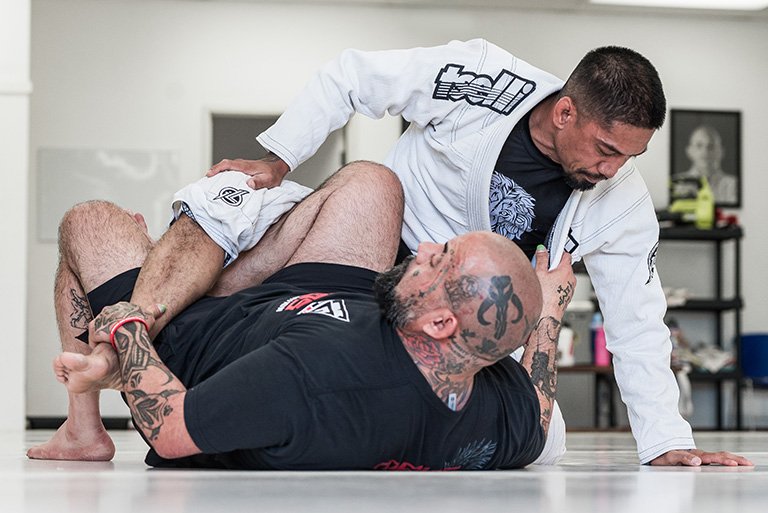
How can I prevent incidents that could lead to claims?
Implementing safety protocols, regular equipment maintenance, staff training, and having emergency procedures in place can significantly reduce the risk of incidents. Ensuring your studio is clean, well-maintained, and free of hazards also helps in preventing accidents.
What role does staff training play in reducing risks?
Proper staff training is crucial in reducing risks. Besides having the necessary credentials for their area of expertise (Jiu-Jitsu, Boxing, Krav, Maga, and Kickboxing), instructors should be trained in first aid, CPR, and emergency response procedures. They should also be knowledgeable about safe training techniques and how to properly use equipment to minimize the risk of injuries.
How can I ensure my martial arts studio is adequately protected?
To ensure your martial arts studio is adequately protected, assess your specific risks, choose comprehensive insurance coverage, implement preventive measures, and regularly review your policies to ensure they meet your evolving needs.
NEXO Insurance Services has specialized in fitness and martial arts insurance for more than 15 years, operating as a licensed California insurance broker (CA Broker/Agent License OG51267; CA Agency License OE14627). NEXO packages martial arts studio coverage — general liability with participant coverage, professional liability, property, workers’ compensation, and abuse and molestation — starting at $750+ per year, so owners can focus on teaching.
Reviewed for Insurance Accuracy
This content is provided by NEXO Insurance Services to help fitness professionals, studios, gyms, and related businesses better understand insurance, liability, and risk-management considerations.
This insurance information is published and reviewed by NEXO Insurance Services to help martial arts studios, fitness professionals, gyms, and related businesses better understand insurance, liability, and risk-management considerations.
Reviewed by: NEXO Insurance Services
California Broker/Agent License: OG51267
California Agency License: OE14627
Last Reviewed: August 7, 2026
Information provided on this page is for general educational purposes and is not intended as legal, financial, or individualized insurance advice. Insurance availability, eligibility, coverage, limits, conditions, and exclusions vary by policy, carrier, state, and individual circumstances. Always review the applicable policy documents or speak with a licensed insurance professional regarding your specific insurance needs.
💡Deep dive this topic: How Workers’ Compensation Insurance Protects Martial Arts Studios
💡Deep dive this topic: How to Choose the Best Property Insurance for Your Martial Arts Studio
💡Deep dive this topic: How to Choose the Right Martial Arts Studio Insurance
💡Deep dive this topic: The Importance of General Liability Insurance for Jiu-Jitsu Facilities
💡Deep dive this topic: Accident and Injury Coverage: Key Considerations for Krav Maga Studios
💡Deep dive this topic: Protecting Your Kickboxing Competition: The Importance of Event Insurance
💡Deep dive this topic: Why Workers’ Compensation Insurance is Crucial for Boxing Gyms
💡Deep dive this topic: Health Insurance for Jiu Jitsu Studios
Contact us today to learn about our affordable martial arts studio insurance products!