Last Updated: 9-24-2026
Does a Pilates Studio Need Workers’ Comp?
Quick answer: Yes, if you have employees. Most states require workers’ comp starting with your first employee, and that includes part-time and per-class instructors. The biggest risk for Pilates studios is paying instructors as 1099 contractors when the studio sets their schedule and classes — many states treat them as employees who must be covered.
- Must be covered: W-2 instructors, front desk staff, and cleaners — full-time, part-time, or a few classes a week.
- Usually not required: a studio owner with no employees, and true independent contractors who run their own business.
- Cost: priced on payroll. NEXOSync’s instant quote for a small studio starts around $145 per month, with payroll and HR support included.
If you employ instructors or staff, workers’ compensation pays their medical bills and lost wages when they’re hurt on the job — and protects your studio from being sued over it. This guide covers who must be covered, the 1099 question, what it costs, and what to do if someone gets hurt. See also workers’ comp for fitness facility owners.
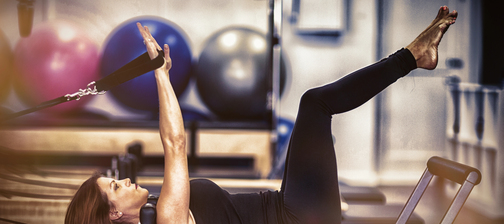
Who Must Be Covered at a Pilates Studio?
| Worker | Must be covered? | Why |
|---|---|---|
| W-2 instructors (full- or part-time) | Yes | Employees are covered no matter how few hours they work |
| Front desk, managers & cleaners | Yes | All employees count, not just instructors |
| Per-class instructors paid as 1099 | Often yes | If you set their schedule, class format, and equipment, many states treat them as employees |
| True independent contractors | Usually no | They run their own business, set their own terms, and carry their own insurance |
| Studio owner | Usually optional | Sole proprietors and many LLC owners can choose to cover themselves |
| Work-exchange staff (free classes for desk shifts) | Check your state | Trading classes for work can count as employment |
How many employees trigger the requirement depends on your state. Most states require coverage from the first employee; a few wait until 3, 4, or 5. See the full list: workers’ comp requirements by state.
Do 1099 Pilates Instructors Need Workers’ Comp?
Often, yes. Calling an instructor a contractor doesn’t make them one. States look at how the work actually happens. An instructor is likely an employee if your studio:
- Sets their class schedule and requires them to teach it
- Decides the class format, choreography, or method they teach
- Provides the reformers, equipment, and space
- Books and bills the clients, and sets the price
- Lists them on your website as part of your team
Some states, including California, use a strict test that makes most studio instructors employees. If a misclassified instructor gets hurt, you may owe their medical bills and lost wages out of pocket, plus penalties. Learn more about employees vs. independent contractors, and ask a NEXO agent to review how you pay instructors.
Also Read: Three Types of Workers’ Compensation Insurance Gym Owners Should Consider
Why Pilates Studios Need Workers’ Compensation Insurance
- It’s the law: most states require it once you have employees. Going without can mean fines, penalties, or a stop-work order that closes your studio.
- It protects your instructors: teaching is physical work — demonstrating, spotting, and moving equipment all day. Workers’ comp pays their medical bills and lost wages if they’re hurt.
- It protects your studio: without it, you could be personally liable for an injured employee’s medical costs and lost income, and sued on top of it.
What Workers’ Compensation Insurance Covers
1. Medical Expenses
Doctor visits, hospital stays, physical therapy, and surgery for a work-related injury.
2. Lost Wages
A portion of an employee’s pay while they can’t work. This matters for instructors, who often lose income the day they can’t teach.
3. Rehabilitation
Ongoing physical or occupational therapy to help an employee recover and return to teaching.
4. Disability Benefits
Payments if an injury leaves an employee temporarily or permanently unable to work.
5. Death Benefits
Funeral costs and ongoing support for an employee’s dependents if a work injury is fatal.
Note: workers’ comp only covers your employees. If a client is hurt in class, that’s covered by general liability or professional liability.
Common Injuries in Pilates Studios
1. Spotting Clients on Apparatus
Assisting a client on the reformer, Cadillac, or chair — especially catching a slip or supporting a transition — can strain an instructor’s back, shoulders, or wrists.
2. Moving Equipment and Changing Springs
Repositioning reformers, carrying jump boards and boxes, and changing springs can cause back strains and pinched or cut fingers.
3. Muscle Strains and Sprains
Demonstrating exercises all day, or a sudden movement while helping a client, can lead to strains and sprains.
4. Repetitive Motion Injuries
Repeating the same movements and cues across many classes can cause tendonitis or wrist and shoulder overuse injuries.
5. Back Injuries
Lifting equipment with poor technique or holding awkward positions while cueing can cause back injuries with long recovery times.
6. Slips and Falls
Smooth floors can get slippery from sweat or cleaning products, leading to sprained ankles or fractures.
Also Read: Workers Compensation for Gym Employees: What You Need to Know and How It Can Protect Your Business
How Much Does Workers’ Comp Cost for a Pilates Studio?
Workers’ comp is priced on your payroll, not a flat fee. Carriers apply a rate to every $100 of payroll based on each job type, so instructor payroll costs more to cover than front desk payroll. For a small studio, NEXOSync’s instant quote starts around $145 per month for workers’ comp, with payroll processing and HR support included.
What changes your price
- Payroll size: more payroll means a higher premium.
- Job types: instructors cost more to cover than office staff.
- State: rates and rules differ by state.
- Claims history: fewer claims can lower your rate over time.
How to Choose the Right Workers’ Compensation Policy for Your Pilates Studio
1. Know Your State’s Requirements
Rules vary by state and by number of employees. Check with your state agency or a NEXO insurance agent.
2. Classify Instructors Correctly
Review how you pay every instructor. If per-class instructors work like employees, cover them as employees.
3. List Every Role
Include instructors, front desk, managers, and cleaning staff so your policy reflects the real risk of each job.
4. Work with a Fitness-Focused Agent
An agent who knows Pilates studios can find coverage that fits how you actually staff and pay your team.
5. Compare Quotes and Read the Details
Compare what’s covered, any exclusions, and how claims are handled — not just price.
How to Prevent Workplace Injuries in Pilates Studios
- Train on safe spotting: teach instructors how to assist clients on apparatus without straining themselves.
- Keep floors and equipment safe: clean floors, wipe down equipment, and fix hazards right away.
- Use two people to move reformers: and train staff on safe spring changes.
- Encourage warm-ups and breaks: especially for instructors teaching back-to-back classes.
- Write a safety policy: cover injury prevention, hazard reporting, and what to do after an accident.
Also Read: Common Challenges Pilates Studio Owners Face
What to Do If an Employee Is Injured
- Get care: seek immediate medical attention for serious injuries, and have minor ones checked by a doctor.
- Report it fast: notify your insurer right away and follow their steps to file a claim. Many states set strict reporting deadlines.
- Document everything: when and how it happened, witnesses, and what you did in response.
- Follow up: stay in touch during recovery and make sure your employee knows their benefits.
Workers’ Comp for Pilates Studios: FAQ
Does a Pilates studio need workers’ comp?
Yes, if it has employees. Most states require workers’ comp from the first employee, including part-time and per-class instructors. A few states wait until 3, 4, or 5 employees.
Do 1099 Pilates instructors need workers’ comp?
Often, yes. If your studio sets their schedule, decides what they teach, and provides the equipment, many states consider them employees who must be covered, no matter how they’re paid.
Do I need workers’ comp if I’m the only one who works at my studio?
Usually not. Sole proprietors and many single-owner LLCs aren’t required to cover themselves, though most can choose to. Once you hire your first employee, the rules change.
Do part-time instructors who teach a few classes a week need to be covered?
Yes, if they’re employees. Workers’ comp is based on employment, not hours worked. Part-time staff also count toward your state’s employee threshold.
How much is workers’ comp for a Pilates studio?
It’s priced on payroll and job type. For a small studio, NEXOSync’s instant quote starts around $145 per month, with payroll processing and HR support included.
Does workers’ comp cover clients who get hurt?
No. Workers’ comp only covers your employees. Client injuries are covered by general liability or professional liability insurance.
Conclusion
Workers’ compensation protects your instructors and staff when they’re hurt on the job, and protects your studio from the financial and legal fallout. The most important step for most Pilates studios is making sure every instructor who works like an employee is covered like one. With NEXO, your studio is in good hands. Contact us for workers’ compensation and all your Pilates studio insurance needs.
Reviewed by NEXO Insurance Services — a licensed California insurance agency (CA Agency License OE14627) specializing in fitness and wellness businesses since 2005. 111 N. Sepulveda Blvd., Suite 325, Manhattan Beach, CA 90266 · 310-937-2007.
Last updated: September 24, 2026. This page is general information, not legal advice. Workers’ comp rules vary by state — talk to a NEXO agent about your studio.