Why 2026 Will Separate Surviving Gyms From Sustainable Ones
If you're looking into how to open a gym in 2026, here's the truth. The economy will do much of the filtering for you. Gyms that rely solely on hope won't last. Gyms that have structure, discipline, and safety will.
People are already changing how they spend on fitness because of the economy. They are less likely to join on a whim. More people are considering whether a membership will fit their budget over the long term.
Demand doesn't go away just because this changes. It means expectations are higher. Members want something they can use every month, not something that gets old after six weeks.
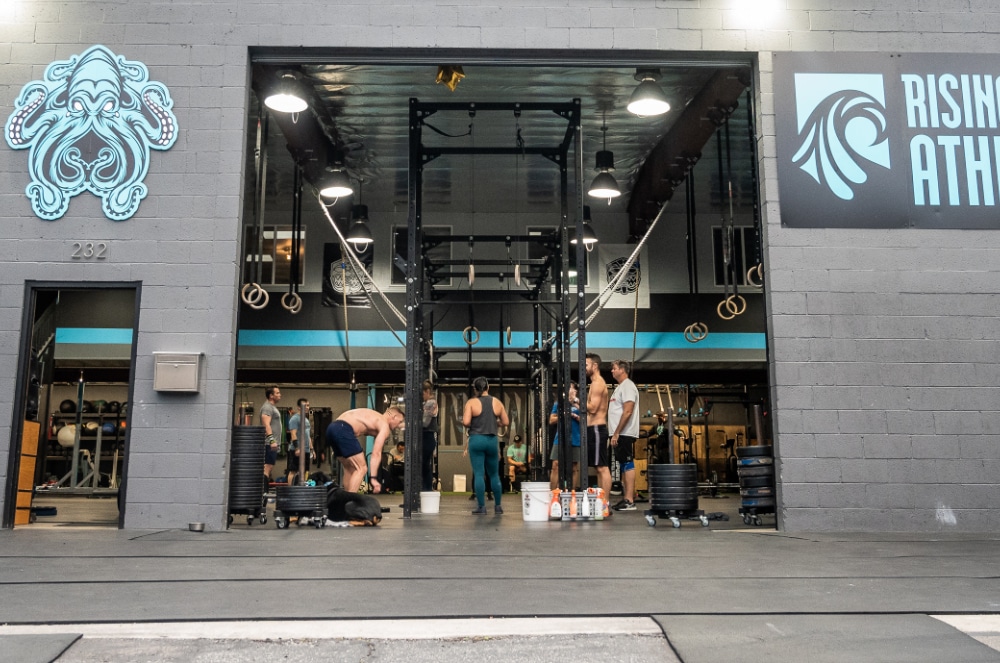
This is why many gym owners struggle when they open during a recession. They often neglect the basics and instead focus on branding and marketing. On the other hand, gyms that stay open see starting a gym as a business first and a hobby second.
To start a gym business that can survive a recession, you need to build something that can handle slower growth, more scrutiny, and less room for error. That means retaining members, making predictable profits, and managing risk are at the top of the list. Hype can never be as important as insurance, legal structure, and compliance. That's the difference between gyms that barely make it and gyms that survive.
Understanding the New Fitness Economy
The economy affects people's behavior, and the fitness industry is no exception. If you want to open a gym, you need to understand how people's priorities shift when they have less money.
When the economy is weak, people still prioritize their health, but they are more selective about how they do it. They look at their choices. They only stay longer when they feel safe in the area. They leave more quickly if they don't.
This means that the choices you make when you first open a gym are far more important than they are during boom years. You aren't just competing on price. You're competing on how stable, safe, and valuable your service seems.
How Consumer Fitness Spending Changes During Economic Stress
People continue working out even when the economy worsens; their spending decisions simply shift. Memberships bought on impulse fade away, and scrutiny grows. Before joining and staying, members ask clearer questions.
When the economy is bad, consumers put these things first:
- Value over novelty
- Consistency over variety
- Safety over intensity
- Results over hype
Owners who understand this early adjust their programming, pricing, and communication to meet members' needs when uncertainty arises.
Why Traditional Gym Models Struggle in Recessions
The model itself is weak, which is why many gyms fail. Traditional methods often involve heavy workloads, tight deadlines, and low profit margins. Costs don't decline quickly when attendance drops slightly.
High fixed costs come from having too many employees, long leases, and expensive equipment. Bad risk planning exacerbates the problem. A single injury claim or lawsuit can cost you months of profit. This is why many gyms go out of business soon after opening in a weak economy.
From the start, recession-proof gyms keep their business model flexible. They expect pressure rather than assuming growth will save them.
Also Read: The Do's and Don'ts of Running a Successful Gym: Common Mistakes to Avoid
Choosing the Right Gym Model for Long-Term Stability
The type of gym you open matters more during a downturn than during a boom. Whether you plan to open a CrossFit gym, launch a boutique gym, or pursue a functional fitness startup, the underlying structure determines how well the business performs.
Membership Models That Hold Up When Budgets Tighten
Unlimited-access memberships sound appealing, but they can lead to unpredictable usage and unstable margins. When budgets tighten, tiered memberships perform better because they offer members choices without forcing them to leave.
Stronger models often include:
- Tiered memberships instead of one unlimited option
- Hybrid structures combining group training and personal training
- Specialty programs layered on top of base memberships
Also Read: From Memberships to Merchandise: Exploring the Profit Streams of Gyms
Avoiding the One Revenue Stream Trap
One of the most common mistakes people make when opening a gym is relying on a single revenue stream. Having group classes puts the business at risk of attendance swings and payroll issues.
Diversified programming spreads the risk of financial loss across multiple services. Most gyms that remain open during recessions offer memberships, personal training, specialty classes, and programs tailored to specific needs. This method keeps cash flow steady and gives you choices when one area weakens.
Location Strategy in a Recession
Location decisions can quietly determine whether a gym survives its first downturn. Rent, zoning, and layout all affect risk, insurance costs, and long-term flexibility.
Why Smaller, Smarter Spaces Win
Big bills come with big spaces. Smaller buildings reduce the risk of paying rent, utilities, and insurance premiums. They also make it less risky to use equipment and hire staff.
When launching a gym, especially a low-cost one, it's important to focus on efficiency because of limited space. You’ll want to plan your programs carefully, keep schedules tight, and watch those profit margins grow.
During tough times, gyms that excel at their work tend to outperform those that only appear impressive.
Zoning, Foot Traffic, and Liability Considerations
Cheap rent often means that there are problems that cost a lot of money. Zoning rules, parking issues, or poor visibility can make it harder for businesses to grow and increase risk.
Some lease clauses that gym owners forget about are:
- Personal guarantees
- Maintenance and repair obligations
- Use restrictions that limit programming
Staffing Without Burning Cash or Coaches
Staffing often leads to rapid overspending for new gym owners. During economic downturns, excessive payroll costs can become risky.
Rethinking the More Coaches Equals More Growth Myth
Hiring more coaches doesn't always lead to growth. It still costs money to have empty classes. Too many staff members on a schedule reduces quality and increases payroll costs.
Smart staffing ensures coach hours align with real needs. More classes aren't as important as full classes. This method protects margins while improving the member experience.
When you open a gym, it's important to protect your coaches because doing so also protects your business. When coaches quit their jobs, the risk increases.
Preventing Coach Burnout Before It Hurts Retention
When coaches feel burned out and decide to step back, it can unintentionally affect members' experiences. This might lead to more injuries and fewer members remaining.
Trust grows when staffing is consistent. Trust keeps people paying even when money is tight. High turnover also increases your likelihood of being held liable. New employees tend to make more mistakes, and insurance companies closely monitor claims trends.
Programming That Retains Members During Economic Uncertainty
Programming choices matter more during downturns. Members become less tolerant of wasted time, unsafe practices, and unclear progression.
What Members Actually Stick With in Tough Times
When money is tight, new things don't seem as interesting. Members stick with programs they can trust and that work.
Consistency helps you feel more confident. The results make the cost worthwhile. Safety is what keeps people from canceling their training. When starting a gym in a tough economy, these factors are often more important than trends.
Building Programs That Reduce Dropout Risk
Strong onboarding sets clear goals from the start. Members who understand how to move up are less likely to quit.
Scaling options can help keep beginners safe while challenging experienced members, reducing frustration and the risk of injury. Lower injury rates can improve retention, reputation, and long-term revenue.
Injury Risk Is a Financial Risk
Injuries aren’t just programming issues. They are financial events that affect retention, insurance costs, and long-term stability. When you open a gym, injuries have a greater impact, especially in a weak economy.

Why Injuries Cost More During Recessions
When margins are thin, injuries put immediate financial pressure on the business. Members are more likely to cancel; gym workers' compensation insurance claims increase; and people facing financial difficulties are more likely to pursue legal action.
Insurance premiums are directly affected by claims history, and once a gym opens, a single incident can undo months of careful planning.
Designing a Safer Gym Without Killing Performance
Safer programming doesn't mean easier workouts. It means making deliberate choices about structure, supervision, and the environment. Clear rules, active coaching, and smart equipment placement all reduce exposure.
Insurance companies closely evaluate how gyms prevent injuries, and gyms that demonstrate awareness of the risks often receive better terms with fewer unexpected costs.
Legal and Compliance Decisions That Protect Revenue
In the long run, legal shortcuts rarely save money. They often surface later as costly problems, and when the economy is weak, it's much harder to absorb those costs. For anyone starting a gym, compliance isn't just about filling out forms. It's a way to protect your income, reputation, and long-term success.
Waivers Are Not Enough
Waivers help, but they often don’t guarantee protection. Courts look at more than just signatures; they also consider how the gym operates. Documentation, behavior, and enforcement all matter.
Having clear rules, regular staff training, and accurate incident reporting all support legal defense and increase the likelihood of successful insurance claims. Without those systems, waivers alone may not offer much protection.
Avoiding Lawsuits That Kill Young Gyms
Most lawsuits don't start with big problems. They begin with small injuries that get worse when people don't take steps to stop them and keep records. Strong compliance can reduce those risks and protect cash flow.
Fewer claims mean lower premiums and better relationships with insurers. Since claims history remains with the business, legal discipline is essential when starting a gym in any economy.
Pricing With Confidence During a Down Economy
One of the quickest ways for new owners to derail a good plan for opening a gym is to set the wrong prices. Many owners become fearful and tend to discount prices early and frequently when the economy declines. It seems safe. It feels like it works. It almost always goes wrong.
If you really want to open a gym that lasts through tough times, prices have to be based on value, not fear.
Why Racing to the Bottom Never Works
Discounting can damage perceived value long before it helps cash flow. People don't think they're getting a good deal when a gym lowers prices too quickly. They think something is wrong.
Underpricing also causes long-term harm:
- It attracts short-term members with low commitment
- It increases churn, which raises marketing costs
- It compresses margins needed to cover startup costs and insurance
- It makes it harder to raise prices later without backlash
Communicating Value Without Sounding Defensive
People who are unsure about buying don't need to be pushed. They need to feel safe. Messaging should calmly explain why the gym is worth staying with, not why it is "still affordable."
Effective messaging during a recession focuses on:
- Fitness as health protection, not luxury
- Consistency as stress relief
- Safety and structure as long-term value
Marketing That Converts When Everyone Is Hesitant
Marketing doesn’t stop during downturns. It shifts. The gyms that survive adjust how they communicate instead of going silent.
Why “Before and After” Marketing Loses Power in Recessions
Optimism is the key to transformation-focused marketing. When the economy is bad, motivation changes. Members aren't looking for big changes. They're trying to keep things together.
Messages that scare people also lose their power. People already feel pressure. Adding more doesn't change anything.
Messages based on stability often work better. It can give members peace of mind that the gym will remain open, that operations are running smoothly, and that nothing appears out of control.
Recession-Smart Marketing Angles
During downturns, the best angles to take are:
- Safety and longevity
- Consistency over intensity
- Community and accountability
- Risk-aware storytelling that shows professionalism
Systems That Make a Gym Truly Recession-Proof
Strong gyms don’t rely on motivation alone. They rely on systems. This is especially true for owners building a recession-proof or recession-resistant gym or fitness business.
Financial Systems Gym Owners Ignore
Many gym owners don't realize how much structure is required to start a gym. Planning is still important, even if you are passionate.
Some important financial systems are:
- Cash reserves sized for at least three to six months of fixed costs
- Expense forecasting that includes insurance increases and maintenance
- Break-even analysis tied to realistic membership numbers
- Clear understanding of gym startup capital requirements
Operational Systems That Prevent Chaos
When things go wrong, operational discipline keeps revenue safe. Small problems become big, costly ones when there are no systems in place.
Gyms that are recession-proof depend on:
- Scheduling systems that match demand
- Member communication protocols
- Incident tracking and documentation
- Clear staff procedures tied to insurance requirements
How Smart Gym Owners Prepare Before the Recession Hits
Preparation always costs less than recovery. Owners who plan early have more options when conditions tighten.
Planning for What You Cannot Control
You can't control the economy, but you can plan for it. Owners who are smart think:
- Economic downturns will happen
- Insurance markets will tighten
- Member behavior will shift
It also affects decisions about the legal structure of a gym business, including whether to form an LLC or a corporation, which structure is best, and whether to elect S Corp status.
The Advantage of Being Early
Getting ready early gives you an advantage. Smart gym lease negotiation leads to better lease terms, stronger insurance pricing with fewer exclusions, and deeper member loyalty based on trust.
This benefit is true whether you're starting a fitness center, a boxing gym, a yoga studio, a Pilates studio, or a personal training studio.