Animal Therapy Insurance: Liability Coverage Guide for Animal-Assisted Therapy Professionals
Last Updated: August 17, 2026
What insurance do animal-assisted therapy professionals need?
Most animal-assisted therapy professionals need general liability, professional liability, and animal liability coverage — and often abuse/misconduct coverage when working with children or vulnerable clients. A facility’s insurance rarely covers independent or contracted handlers, so most therapists carry their own portable policy. NEXO Insurance Services matches coverage to the animals, settings, and client populations each program actually works with.
Animal therapy insurance protects professionals who include animals in their sessions. It covers liability for injuries, animal behavior, and work in different locations.
Because therapy programs combine patient care with animal interaction, they face risks that standard insurance may not address. The right animal-assisted therapy insurance helps professionals stay protected in real-world situations.
What Is Animal Therapy Insurance?
Animal-assisted therapy (AAT) uses trained animals in therapy sessions. A therapist or handler leads the session, and the animal helps support the treatment.
Animals can help patients feel calm and safe. This can make it easier for people to take part in therapy, speak openly, or work on movement and balance.
Dogs and horses are the most common therapy animals. Some programs also use rabbits, cats, or other trained animals. The type of animal depends on the therapy program and the patient’s needs.
Animal-assisted therapy is different from service animals and emotional support animals. Service animals perform tasks for people with disabilities. Emotional support animals provide comfort but are not usually part of planned therapy sessions.
In AAT, the therapist manages both the treatment plan and the patient’s interaction with the animal. This setup can create risks that standard therapy or pet insurance may not fully cover.
Because of this, many professionals use animal therapy insurance. Specialized animal-assisted therapy insurance helps cover both therapy services and the associated risks.
Why Animal Therapy Creates Unique Liability Risks
Unpredictable Animal Behavior
Even well-trained animals can react unexpectedly. Loud noises, sudden movements, or new places can startle them. Therapy animals are trained to stay calm, but they still have natural instincts. If an animal jumps, scratches, or nips during a session, the therapist or handler could be held responsible. For this reason, many programs have therapy animal liability insurance.
Higher-Risk Client Populations
Animal-assisted therapy often supports people who need extra help, such as children, behavioral health patients, and older adults. These clients may move quickly or touch animals in unexpected ways. For example, a child might pull a dog’s ear, or a patient could approach a horse too quickly. Even with supervision, accidents can happen. Many professionals get insurance for therapy animal handlers to manage this risk.
What Insurance Animal Therapy Professionals Actually Need
Animal-assisted therapy programs often need more than one type of insurance. Each type protects a different part of the work.
General Liability
General liability covers injuries to other people and damage to property. For example, a client could slip during a session. Equipment might also damage a clinic or therapy space. Many therapy programs start with this type of coverage.
Professional Liability
Professional liability covers claims about the therapy services you provide. A client may say a therapy plan caused harm. They may also question a treatment decision.
Animal Liability Coverage
Animal liability coverage protects you if a therapy animal causes an injury. This may include bites, scratches, or sudden movement. Policies like therapy dog insurance and equine therapy insurance provide this type of protection.
Abuse and Misconduct Coverage
Therapists who work with children or vulnerable groups often carry abuse and misconduct coverage. Even if a claim is false, legal defense can still be costly.
Optional but Important Add-Ons
Some programs add extra coverage to match their workflow. Examples include:
- Equipment coverage for therapy tools or animal training gear
- Workers’ compensation for staff or assistants
- Mobile coverage for therapy sessions outside the office
Together, these types of insurance help create stronger protection for animal-assisted therapy programs.
| Coverage | What it protects against | Who needs it |
|---|---|---|
| General liability | Client injuries and property damage during sessions | All animal-assisted therapy programs |
| Professional liability | Claims about the therapy services and treatment decisions | All therapists and treatment providers |
| Animal liability coverage | Bites, scratches, or injuries caused by the therapy animal | Any program using dogs, horses, or other therapy animals |
| Abuse & misconduct coverage | Legal defense for claims, even false ones, involving vulnerable clients | Therapists working with children or vulnerable populations |
| Mobile / off-site coverage | Sessions at schools, hospitals, homes, or equine centers | Any program working outside one fixed location |
Why Animal Therapy Creates Unique Liability Risks
Unpredictable Animal Behavior
Even well-trained animals can react unexpectedly. Loud noises, sudden movements, or new places can startle them. Therapy animals are trained to stay calm, but they still have natural instincts. If an animal jumps, scratches, or nips during a session, the therapist or handler could be held responsible. For this reason, many programs have therapy animal liability insurance.
Higher-Risk Client Populations
Animal-assisted therapy often supports people who need extra help, such as children, behavioral health patients, and older adults. These clients may move quickly or touch animals in unexpected ways. For example, a child might pull a dog’s ear, or a patient could approach a horse too quickly. Even with supervision, accidents can happen. Many professionals get insurance for therapy animal handlers to manage this risk.

What’s Covered vs Where Policies Fall Short
Knowing what your insurance covers can help you avoid surprise costs later. Many professionals think their policy covers everything, but some situations may not be included.
Common coverage may include:
- Injuries caused by therapy animals during supervised sessions
- Client incidents during therapy activities
- Legal defense costs for claims or lawsuits
These protections are often included in animal-assisted therapy insurance policies.
However, some policies have limits that are easy to miss. Common gaps may include:
- Off-site therapy sessions are not listed in the policy
- Volunteer handlers helping during sessions
- Breed limits for certain animals
- Casual contact outside therapy sessions
Because of these risks, many professionals review animal therapy risk management when choosing insurance.
Real-World Risk Scenarios
Most animal-assisted therapy sessions are safe, but real risks can still happen.
A therapy dog might react if a child suddenly grabs its collar. Even a small bite could need medical care. This kind of incident may be covered by therapy dog insurance.
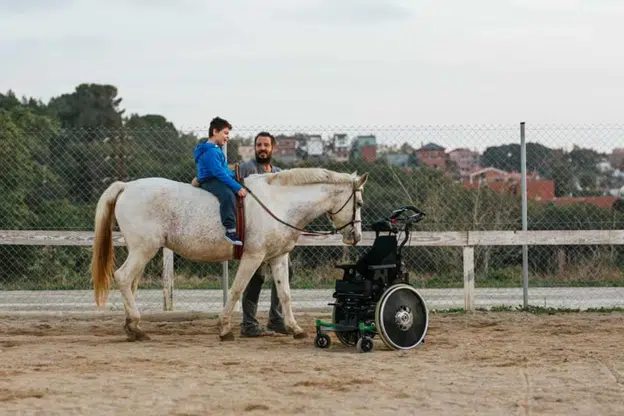
Equine therapy programs have their own challenges. A client could lose balance while getting on or off a horse, and even a minor fall can lead to injury claims. That is why many programs have equine therapy insurance.
Property damage can also occur during therapy sessions. A therapy animal might knock over equipment or damage furniture in a clinic.
Supervision is another risk. A client might interact with a therapy animal outside the planned session, and if something happens, the therapist could still be responsible.
These examples highlight why liability insurance for therapy animals is important in therapy programs.
Animal-Assisted Therapy Claim Scenarios
These examples illustrate situations an animal-assisted therapy provider could encounter. Whether a claim is covered depends on the specific policy, facts, exclusions, limits, and applicable coverage.
Sudden Animal Reaction
Scenario: A child unexpectedly grabs a therapy dog’s collar and the dog nips in reaction, requiring medical attention.
Coverage to review: Animal liability coverage may respond to injuries caused by the therapy animal, subject to policy terms.
How NEXO helps: NEXO writes animal liability coverage that accounts for real therapy-session behavior, not just routine handling.
Equine Session Fall
Scenario: A client loses balance mounting or dismounting a therapy horse and sustains an injury.
Coverage to review: General and animal liability may respond to equine-related incidents, subject to policy terms.
How NEXO helps: NEXO helps equine therapy programs confirm coverage reflects the added risk horses carry over smaller animals.
Off-Site Session Gap
Scenario: A therapist runs a session at a school or client’s home and a facility later denies the claim, citing a policy written for one office only.
Coverage to review: Mobile/off-site coverage may respond where a location-limited policy does not.
How NEXO helps: NEXO confirms every setting a program actually works in is reflected in the policy, not just its home clinic.
Casual Contact Injury
Scenario: A client pets the therapy animal in a waiting area before or after the scheduled session and is injured.
Coverage to review: Coverage for casual interaction outside the formal session may be excluded unless specifically included.
How NEXO helps: NEXO reviews how a policy treats contact before and after sessions — a common, easy-to-miss gap.
Volunteer Handler Claim
Scenario: A volunteer handler assisting during a session is involved in an incident, and the facility’s policy excludes volunteers.
Coverage to review: Insurance for therapy animal handlers may be needed separately from a facility’s general policy.
How NEXO helps: NEXO helps programs using volunteer handlers confirm they’re actually covered, not assumed to be.
Contractor Coverage Gap
Scenario: An independent therapist working inside a hospital or clinic assumes the facility’s policy covers them, and it doesn’t.
Coverage to review: A personal/portable policy may respond where a facility’s coverage excludes contractors.
How NEXO helps: NEXO aligns coverage to independent providers whose protection needs to follow them wherever they work.
Independent Providers vs Facility-Based Coverage
Many animal-assisted therapy professionals work independently. When this happens, the therapist is responsible for both the session and the therapy animal.
Independent providers usually carry their own animal therapy insurance. This helps protect them when they work in different places.
Some therapists work in hospitals or clinics. They may believe the facility’s insurance protects them. Often, it does not.
Many facility policies protect the organization, not the therapist. They may also exclude contractors, volunteers, or personal therapy animals.
Because of this, many therapists keep their own animal-assisted therapy insurance. This ensures their coverage stays with them wherever they work.
How Much Does Animal Therapy Insurance Cost?
The cost of animal therapy insurance depends on several factors.
The type of animal is a major factor. For example, equine therapy insurance usually costs more than therapy dog coverage because horses are larger and present a greater risk.
The setting also matters. Programs that travel to different locations may face more risk than those that stay in one clinic.
The number of clients also affects the price. Programs with more participants may carry a higher risk.
Coverage limits are important, too. Basic policies offer limited protection, while broader animal therapy insurance packages provide more coverage.
Many professionals do not just look at price. They focus on whether the coverage matches their actual work.
| Pricing Factor | How It Can Affect Your Cost |
|---|---|
| Animal type | Equine therapy typically costs more than therapy dog coverage due to size and risk |
| Setting | Programs traveling to multiple locations generally carry more exposure than one clinic |
| Client population | More participants, or higher-risk populations like children, can affect pricing |
| Coverage limits | Basic policies cost less but protect less; broader packages cost more |
| Volunteer / multiple handlers | Programs using volunteer handlers or several animals may need broader coverage |
How to Choose the Right Policy
Choosing the right policy begins with understanding how your therapy program works.
First, make sure the policy clearly covers animal-related incidents. Some policies only cover therapy services, not animal-related events.
Next, check if off-site therapy sessions are included. Many therapists travel to schools, hospitals, or community programs.
It is also important to review exclusions. Some policies limit certain breeds, animal types, or therapy locations. Programs that use multiple animals or volunteer handlers may need broader coverage.
Working with insurers who understand the risks of animal therapy can help ensure your policy aligns with how your program actually operates.
Why Specialized Coverage Matters
Animal-assisted therapy combines healthcare and animal interaction. As a result, standard insurance may not cover all risks.
Professional liability insurance covers therapy decisions. Pet liability insurance covers pet ownership. Neither policy fully covers therapy work that involves animals.
This is where animal therapy insurance helps.
Insurers that understand therapy programs know sessions involve both patient care and animal behavior. Programs like those from NEXO focus on industries where standard insurance might miss real-world risks.
The goal is not just to have insurance. It is to ensure your coverage aligns with how your therapy program actually works.
FAQs
Know What You’re Actually Covered For
If your insurance policy does not reflect how you work with therapy animals, it may not protect you as expected. Animal-assisted therapy often takes place in different settings and involves close contact between clients and animals. These situations can create risks that standard therapy or pet insurance may not cover.
Review your policy to see if it fits your daily work. Check how it handles animal-related incidents, off-site sessions, and supervision during therapy.
If you are unsure about your coverage, schedule an insurance review with NEXO to better understand your protection.
NEXO Insurance Services has specialized in fitness and wellness insurance for more than 15 years as a licensed California broker (CA Broker/Agent License OG51267; CA Agency License OE14627), helping animal-assisted therapy professionals match coverage to the animals, settings, and clients they actually work with.
Reviewed for Insurance AccuracyThis content is published and reviewed by NEXO Insurance Services to help animal-assisted therapy professionals, handlers, and programs better understand insurance, liability, and risk-management considerations.
Reviewed by: NEXO Insurance Services California Broker/Agent License: OG51267 California Agency License: OE14627
Last Reviewed: August 14, 2026
Information provided on this page is for general educational purposes and is not legal, financial, or individualized insurance advice. Availability, eligibility, coverage, limits, conditions, and exclusions vary by policy, carrier, state, and circumstances. Review the applicable policy documents or speak with a licensed insurance professional regarding your specific needs.