Running a business in the wellness, fitness, or alternative health field brings tremendous opportunities to help people live healthier lives. But it also brings exposure to risk. A slip in a yoga studio, a client reaction to a skincare product, or a misplaced piece of fitness equipment can quickly turn into an insurance claim. Without coverage, those costs fall directly on you.Alternative Balance Insurance was created to meet these risks head-on. The program is tailored for professionals who work closely with clients and often operate small or independent practices. Its policies are broad enough to cover more than 750 trades, from massage therapy to esthetics to personal training. This guide explains what the insurance covers, how policy limits shape your protection, and which exclusions to consider before purchasing.
Who Does Alternative Balance Serve

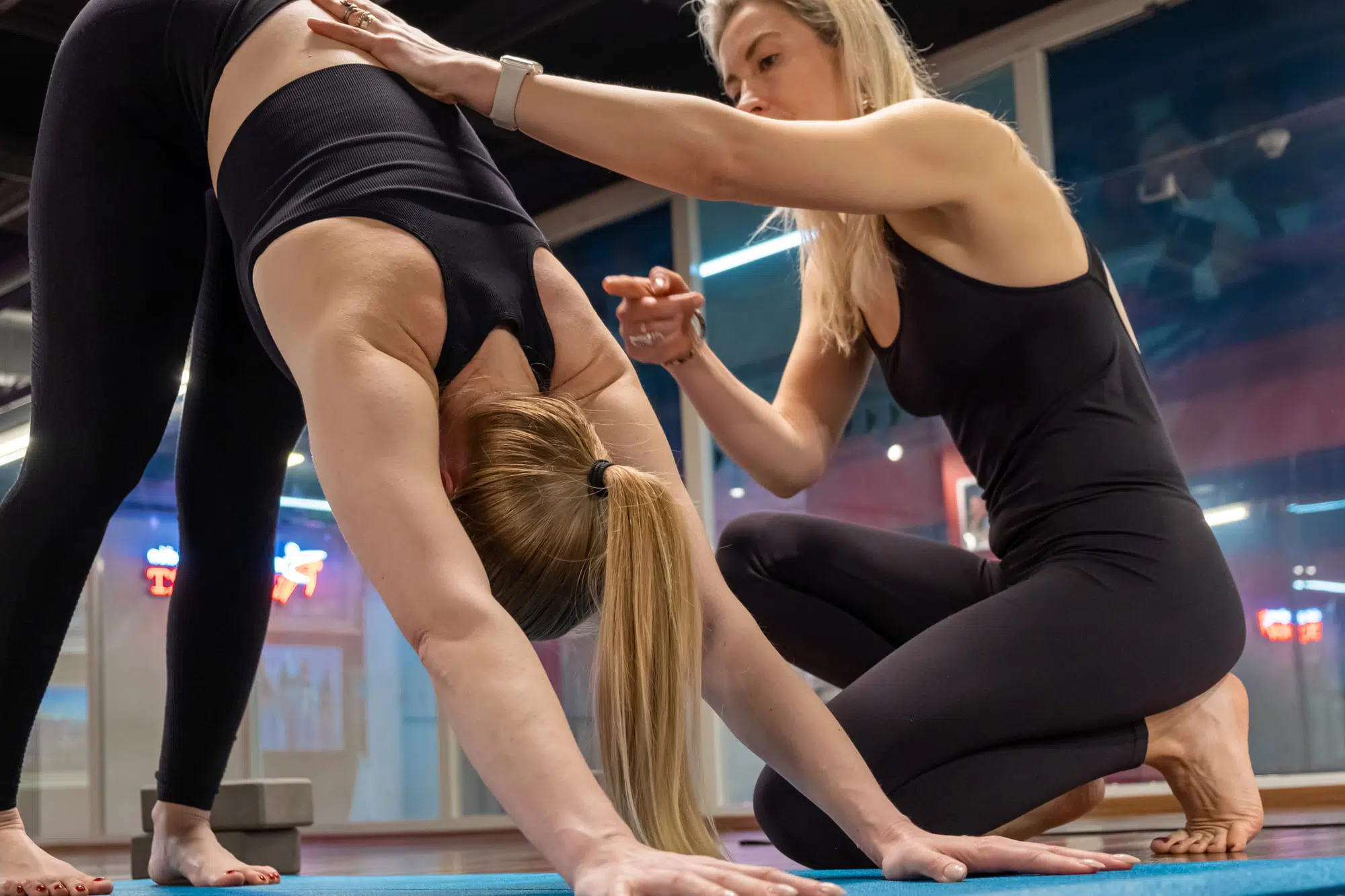
Alternative Balance stands out because of the diversity of professionals it insures. More than 12,000 practitioners currently rely on it across industries such as:
- Massage therapists providing Swedish, deep tissue, or sports massage.
- Yoga and Pilates instructors running classes in studios, gyms, or private homes.
- Personal trainers working one-on-one or in group fitness settings.
- Estheticians and skincare specialists offering facials, peels, or body treatments.
- Life and health coaches supporting clients with wellness strategies.
- Energy workers and alternative healers such as Reiki practitioners or reflexologists.
The common thread: each profession involves hands-on interaction, advice, or product use, all of which create liability. For example:
- A yoga student strains a knee and claims the pose was unsafe.
- A client has an allergic reaction to an esthetician’s peel.
- A massage therapist damages a client’s watch during a session.
- A fitness coach accidentally drops a piece of equipment that breaks a studio mirror.
Each of these situations can lead to costly claims. Alternative Balance Insurance is designed to address them in a way that traditional business insurance often does not.
Core Coverage Options
Alternative Balance policies combine several types of protection. Understanding what each covers helps you identify which are most important for your practice.
1. General Liability
General liability is often referred to as “slip-and-fall” coverage. It protects against third-party claims involving bodily injury, property damage, or accidents during your services.
Example: A client trips over a yoga block in your class and sprains an ankle. General liability would cover their medical expenses and your legal defense if they were to sue.
2. Professional Liability
Professional liability, also called errors and omissions (E&O), covers claims tied to your professional services. If a client alleges negligence, poor instruction, or improper technique, this coverage steps in.
Example: A massage client claims you caused a back injury during a deep tissue session. Even if you did nothing wrong, legal fees to defend yourself can add up quickly. Professional liability helps pay those costs.
3. Product Liability
If you sell or use products in your work, such as essential oils, skincare items, or nutritional supplements, product liability covers claims of harm.
Example: A client develops a rash after using a cream you recommended. Product liability would respond to cover damages or settlements.
4. Property Coverage
Many practitioners own expensive tools of the trade, including massage tables, fitness machines, skincare devices, and sound systems. Property coverage protects these items against theft, fire, or accidental damage.
Example: A burst pipe in your rented studio damages your Pilates reformers. Property coverage helps replace them so you can resume business.
5. Additional Options
Alternative Balance also offers add-ons such as:
- Event insurance for workshops, retreats, or pop-up classes.
- Cyber coverage for professionals who store client data or offer virtual sessions.
- Additional insured endorsements for studios or venues requiring proof of coverage.
Together, these options create a layered safety net around your business.
How Coverage Limits Work
Every policy has limits, the maximum the insurer will pay on your behalf. Alternative Balance sets two main types:
- Per-claim limit: The cap on what the insurer will pay for a single incident.
- Aggregate limit: The total amount available for all claims during the policy year.
For instance, you might have a $2 million aggregate limit with a $1 million per-claim limit. If two different claims are filed in one year, each could be covered up to $1 million, but the combined payout cannot exceed $2 million.
Why it matters:
- Too-low limits can leave you paying out of pocket once coverage runs out.
- Higher limits cost more but provide stronger protection, especially if you work with large groups or in high-traffic environments.
Policy tiers allow you to select limits that fit your services, client volume, and risk tolerance.
Common Exclusions
Equally important is knowing what isn’t covered. Alternative Balance exclusions include:
High-Risk Activities
Extreme or high-intensity fitness classes may be excluded if injury risk is high. For example, aerial silks or obstacle course racing may not fall under general liability protection.
Specific Services
Practices outside your licensed scope or unrelated to your field may not be covered. An esthetician who begins offering laser treatments without certification could face uncovered claims.
Geographic or Practice Restrictions
Some coverage applies only in the U.S. or only within the scope of your license. Practicing outside approved settings may leave you without protection.
Why it matters: Claims involving excluded activities are denied outright. Always match your actual services to the policy’s listed protections before offering them to clients.
Why Limits and Exclusions Matter
Policy limits and exclusions define the true value of your insurance.
- Limits determine how much financial backing you have in a worst-case scenario.
- Exclusions draw the boundary of where coverage stops.
If limits are too low, a single lawsuit can exceed coverage and put personal assets at risk. If exclusions are ignored, you may think you’re protected only to find coverage denied when you need it most. Reading the fine print avoids unpleasant surprises.
Comparing Alternative Balance with Other Providers
Alternative Balance focuses on wellness and fitness professionals, which makes it unique. Competitors may offer broader commercial packages, but often lack the tailored protection for practitioners working with individuals.
When comparing providers, look at:
- Policy limits side by side.
- Exclusions that could restrict your practice.
- Added benefits like event coverage or cyber protection.
- Pricing structure relative to coverage value.
For many practitioners, Alternative Balance insurance strikes a balance between affordability and specialized protection.
Tips for Choosing the Right Coverage
- Map your services. List what you offer and the risks tied to each.
- Prioritize coverage. If you interact directly with clients, professional liability is critical. If you host classes, general liability is equally important.
- Consider your equipment. Add property coverage if your tools would be costly to replace.
- Review exclusions. Ensure your unique services are included.
- Think about growth. If you plan to expand into events or product sales, add coverage now.
Venues often require proof of insurance before renting space or hosting workshops. Alternative Balance makes it easy to issue certificates of insurance (COIs) or add venues as additional insureds, keeping your business opportunities open and protected.
Alternative Balance Insurance FAQs
1. What types of professionals qualify for coverage?
More than 750 fields, including massage, yoga, esthetics, personal training, coaching, and alternative therapies.
2. How do general and professional liability differ?
General liability covers accidents and property damage. Professional liability covers errors or negligence tied to your services.
3. How do policy limits function?
They cap what the insurer pays per claim and in total for the year. Choosing the right tier ensures protection matches your risk.
4. What exclusions are most common?
High-risk activities, unlicensed services, and practices outside approved locations.
5. Does Alternative Balance cover special events?
Yes. Workshops, retreats, and temporary events can be insured separately.
6. Are the products I sell covered?
Yes, if product liability is included and items are approved within your scope of practice.
7. What about equipment coverage?
Property coverage protects tools and studio gear against theft, fire, and certain damage.
8. How are claims handled?
Claims are submitted online with documentation. The insurer reviews and responds based on the policy terms.
9. Is online or out-of-state work covered?
Yes, coverage often extends to virtual and multi-state services, as long as you follow licensing laws.
10. How do I know if my limits are high enough?
Consider your client volume, class size, and potential risk exposure. Higher limits are safer for larger or riskier operations.
Conclusion
Insurance is not just paperwork; it is the safety net that allows your business to operate with confidence. Alternative Balance Insurance was designed with wellness, fitness, and alternative health professionals in mind. It offers a menu of liability, product, and property coverages that address the real risks practitioners face daily.
By carefully reviewing coverage options, limits, and exclusions, you can build a policy that protects your livelihood without paying for unnecessary extras. More than 12,000 professionals already trust Alternative Balance. With the right plan in place, you can focus on what matters most: serving clients, growing your practice, and working with peace of mind. Contact NEXO today!