Dance Instructor Insurance & Safety Guide
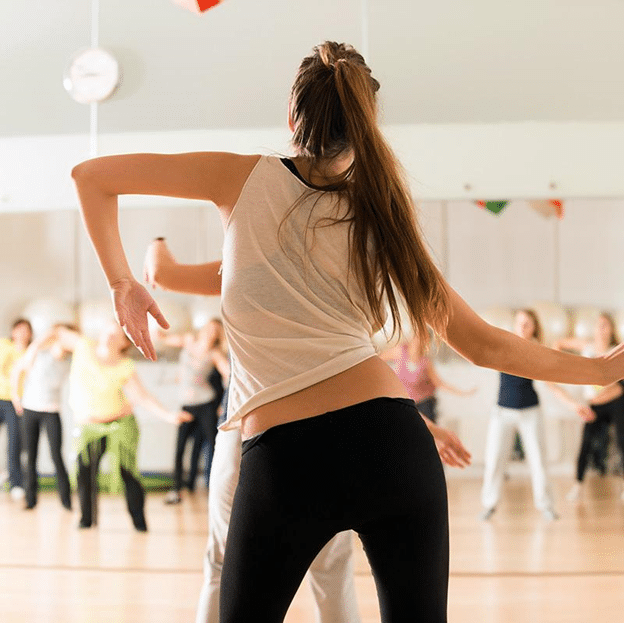
Dance Instruction Today: More Than Just Teaching Classes
Last Updated: August 14, 2026
Do dance instructors need liability insurance?
Yes. Most dance instructors need their own liability insurance — typically general liability plus professional liability — because a studio’s policy usually covers only its employees, not independent contractors, private lessons, workshops, online classes, or off-site rehearsals. NEXO Insurance Services helps dance professionals match coverage to how and where they actually teach.
What insurance do dance teachers need?
Dance teachers generally need general liability (for slips, falls, and space-related injuries) and professional liability (for instruction and supervision claims), with added consideration for online teaching, travel between locations, events, and private lessons. Independent instructors usually need their own policy rather than relying on a studio’s.
How Much Does Dance Instructor Insurance Cost?
Dance instructor liability insurance is priced mainly by how you teach — employee vs. independent, number of locations, class formats, whether you teach children, and whether you run events or online classes. Individual instructor coverage is generally more affordable than a full studio policy
| Pricing Factor | How It Can Affect Your Cost |
|---|---|
| Employment status | Independent instructors usually need their own policy; employees may be partly covered by a studio. |
| Number of locations | Teaching across multiple studios, schools, or event venues increases exposure. |
| Class formats | Group classes, private lessons, workshops, online sessions, and events carry different risk. |
| Student age | Teaching children may add supervision and safeguarding considerations. |
| Coverage limits & options | Higher limits or added coverages increase the premium. |
| Coverage | What it protects against | Who needs it |
|---|---|---|
| General liability | Slips, falls, space- and floor-related injuries, property damage | All instructors, especially in rented or rotating spaces |
| Professional liability (E&O) | Instruction, supervision, and class-management claims | Any instructor giving corrections or leading a class |
| Individual / portable policy | Coverage that follows you across studios, private lessons, and online | Independent & multi-location instructors |
| Online / virtual consideration | Claims tied to students in unsupervised home spaces | Instructors teaching livestream or online |
| Event / performance consideration | Recitals, competitions, workshops, and pop-up classes | Instructors running or teaching at events |
| Your situation | Are you likely covered by the studio’s policy? |
|---|---|
| W-2 employee teaching studio classes | Often yes — within the scope of the studio’s programs |
| Independent contractor at a studio | Frequently no — you usually need your own policy |
| Teaching at multiple studios or locations | Coverage tied to one studio typically won’t follow you |
| Private lessons outside the studio | Usually outside the studio policy’s scope |
| Online or livestream classes | Often not addressed by a studio policy |
| Workshops, pop-ups, or events | Usually needs separate or event coverage |
Your actual coverage depends on your employment status, contract terms, and how the studio’s policy is written — confirm it in writing rather than assuming.
Dance instruction has changed from a creative side job into a real business for many professionals. Now instructors offer private lessons, choreograph for events, travel between studios, conduct workshops, or teach online from home. What used to be a hobby for some people has become a real business with responsibilities far beyond leading combinations in front of a mirror.
There are also more independent instructors in the dance world. Some studios charge by the hour. Others teach in various locations over the week or run pop-up classes. Hybrid teaching is also on the rise, with many instructors combining studio classes and online sessions into a single schedule. Social media has transformed how instructors market classes, interact with students, and develop careers.
As a result, dance professionals are doing a lot more now than choreography. They handle schedules, communication, class pacing, student supervision, and multiple teaching environments simultaneously. And this increased responsibility often entails risks. Most class problems are not the result of careless teaching. They often occur in the ordinary situations of a crowded room, among tired dancers, in changing rehearsal spaces, or among students pushing themselves too hard in training.
What Running Dance Classes Actually Involves
Most people see only the finished side of a dance class. They see the music, the steps, and the performance. What they don’t always see is the long list of little choices instructors make in the moment.
Class Types and Environments
The most controlled studio classes are usually determined by the room’s size and flooring, but how dancers move is still affected by these factors. Private sessions are more hands-on and personal. Group choreography sessions move faster because students are working on timing and staying in sync.
Pressure can build in a competitive training environment where dancers repeat routines and grow tired. Online and livestream classes present a different challenge: the instructor cannot fully assess the space, flooring, or quality of movement through a screen.
Where Complexity Starts to Show
Classes with mixed skill levels can be harder to teach. Beginners may want to try to keep up with advanced dancers before they are ready. Drop-in classes add another level of uncertainty, as the teacher may not know a student’s history, injuries, or limitations.
Tight spaces & fast combos make movement harder to tame. Larger classes also reduce the amount of time instructors can spend with each student.
Where Risk Actually Shows Up in Dance Classes
Most injuries in a dance class don’t come from big, dramatic accidents. They come from repetition, fatigue, or small changes in technique that build up over time.
Movement-Based Risk
Dance puts a lot of stress on the body through jumps, turns, floor work, and stretching. Dancers often push past their limits, especially during fast choreography or many rehearsals in a row.
As the dancer gets tired, the quality of movement changes subtly. Posture, balance, and landings can slip.
Over time, this adds stress to the ankles, knees, hips, and lower back.
Environment-Driven Risk
The space affects how safely dancers move. If the floors are too slippery, too hard, or uneven, it makes it more difficult for the body to absorb impact during jumps and quick turns.
When the space is tight, dancers might shorten their moves or speed up transitions to avoid bumping into people. Mirrors, props, and stage setups can also make it harder to stay aware of the space during fast routines or rehearsals.
Instructional Risk
The choices an instructor makes dictate how students react in class. Teachers who spend a lot of time demonstrating full-out choreography might not have as much time to watch for tired bodies, alignment, or movement quality in the room.
Both verbal directions and physical corrections need good judgment, especially in classes with mixed skill levels. Fast routines can get dancers trying to keep up rather than focusing on clean technique and control.
Common Dance Class Injuries and How They Develop
Injuries to dancers often develop over time, rather than occurring suddenly. The ankles, knees, hips, and lower back are usually where the stress is felt most, as they absorb repeated impacts and directional changes.
Common problems include ankle injuries caused by jumps or turns. A dancer might come down a little off balance to keep up with the tempo of class. These mistakes are more likely to occur late in rehearsal, when fatigue sets in.
Knee strain is common when dancers force turnout or keep repeating choreography after their form starts to slip. Hip tightness can also cause pressure to shift into the knees during landings and transitions.
Dancers often experience back pain when performing styles that involve extensive extensions, floor work, or high levels of flexibility. Some dancers push beyond their body’s readiness because they are trying to match more advanced performers nearby.
It is common for instructors to see beginners try to imitate better dancers too soon. A student may attempt a level of flexibility or speed they are not yet able to control. Usually, the problem isn’t the effort. It is the gap between a dancer’s desire to do and the body’s ability to carry.
How to Run Safer Dance Classes Without Losing Energy
Keeping dance classes safe doesn’t mean they have to feel stiff or overly cautious. Instructors don’t need to take away the energy. Instead, they can help dancers move with greater control while keeping classes fun and engaging.
Structuring Classes Around Control, Not Just Flow
Warm-ups should match the demands of the class ahead. If the choreography features jumps, floor work, or quick changes of direction, dancers need enough time to properly prepare those movement patterns.
Adjusting choreography is important as well. Offering simpler movement options doesn’t make the class less exciting. It helps dancers stay involved without forcing them to try moves they aren’t ready for yet.
Managing Mixed-Level Classes
Mixed-level classes can be stressful, even if no one says anything. Newer dancers may feel like they have to compete with stronger dancers, which can lead to rushed movements or trying to stretch beyond their limits.
Instructors who normalize adjustments usually create better training environments over time. Students are often more comfortable working at their own level instead of trying to impress the whole class.
When Energy Becomes Risk
Music makes dancers move differently. Faster tempos naturally get people moving, sometimes before they even understand the mechanics of the combination.
Group synchronization can create pressure, too. Dancers may focus more on matching the group visually than on noticing signs of fatigue in their own bodies.
And that’s why pacing is so important in a practical safety guide for dance classes.
When It Doesn’t Follow the Usual Pattern
Not all classes go the way the instructor expects. Students may ignore corrections, return too early after an injury, or keep going when they are clearly tired. Such situations arise even in well-run classes.
It can be difficult to manage returning injuries as dancers often feel ready before their bodies are. A student may appear stable in warm-ups, but may not be able to maintain control when the class increases speed or intensity.
Fatigue can quickly affect how dancers move. Someone who looks strong at the start of class might start landing heavily or lose their posture halfway through. Performance settings increase pressure, as students often push themselves harder before auditions, competitions, or shows.
Many class-related problems are not due to bad teaching but to these unpredictable moments. This is why dance instructors’ safety plans rely heavily on awareness and supervision during the session.
What Dance Instructors Often Overlook
One thing that instructors tend to overlook is that dance is “low impact” and therefore safe. Like some sports, dancing has no contact, but it puts a lot of stress on the body. Over time, dancers can get tired from jumps, turns, and stretching.
Another misconception is that studio insurance covers all instructors. This may not be the case for teachers who work from home, rent rehearsal space, or teach at more than one location.
People forget private lessons, too. In one-on-one teaching, you give more detailed feedback and work closely on each move. Rehearsals outside a studio can also be very different from regular class.
Online teaching has its own issues. Students could be dancing in unsafe spaces or out of view during livestream classes. Instructors can’t fully control these things, but they still need to plan for them.
This is why dance professional insurance is so important today. Good coverage must accommodate the way instructors actually work: private coaching, rehearsals, workshops, hybrid classes, and online teaching.
Independent vs. Studio Dance Instructors: Who’s Responsible?
One of the most confusing parts of dance is responsibility. Many teachers believe that the studio covers everything that happens in class. But the real answer depends on how the instructor is classified and what the policy actually says.
Employees and independent contractors are not the same. Studio insurance might protect employees, but independent instructors typically get coverage on their own. This is especially important if they are teaching at more than one place or giving private lessons outside the studio.
Hybrid teaching complicates things. A teacher may conduct group classes in one studio. But they could be rehearsing, livestreaming, or giving private lessons somewhere else. Being covered in one place doesn’t mean you are covered everywhere.
Many instructors ask, “If something goes wrong, am I protected?” The answer isn’t always clear. As a result, more dance professionals are exploring their own liability insurance. They don’t want to guess anymore about whether the studio’s policy will protect them.
Do Dance Instructors Need Liability Insurance?
Yes. Most dance teachers should have some form of liability insurance, especially if they work on their own or in different places. Teaching dance means movement, hands-on instruction, supervision, and changing classrooms. Even when classes go well, questions of responsibility can come up afterward.
Coverage gaps are more common than you think. There are instructors who feel the studio’s policy will always be in their favor, no matter what class, rehearsal, or private lesson they’re teaching. But coverage is actually based on your employment status, where you teach, and what kind of teaching you do.
Personal liability is particularly important when instructors teach in different locations. If you are running workshops, private lessons, online classes, or off-site rehearsals, you may be working outside the scope of what a studio policy is meant to cover.
That’s why the conversation about the best insurance for dance instructors focuses on how they work today. Modern dance classes are now held in many places, which can create coverage gaps and increase risks.
What Insurance Do Dance Teachers Need?
Different settings require different types of insurance. A person who teaches private lessons and workshops in many places will probably need different coverage than an employee of a full-time studio. Simply having insurance is no longer enough; you need coverage that reflects the way you really teach.
General Liability
General liability covers accidents and issues with the space. This includes falls, slips, or injuries that happen in the room. It can also cover bad floors, crowded areas, or broken equipment.
This type of coverage is especially critical for instructors who work in rented studios, short-term rehearsal spaces, or event locations. The space can change from class to class, even if the moves stay the same.
Professional Liability
Professional liability is about the teaching. It can be associated with issues of supervision, explanations, and allegations about class management.
Dance is fast-paced, especially during choreography or performances. A misunderstanding of how hard a move is, how fast the class is going, or how a teacher corrects a student could lead to bigger problems down the road. So, many dance teachers include professional liability in their safety strategies.
Additional Considerations
Online teaching poses new uncertainties. Students can participate from home spaces that the teacher can’t see, such as rooms with bad floors or not enough space to dance.
Events, shows, workshops, and pop-up classes can also add to your risk. Teachers might be in different locations, with different kids, or in rooms set up just for the day.
Travel classes are another thing. If you are moving around between studios, schools, contests, or events, then you may need coverage that goes with you, not coverage tied to just one place.
How Dance Businesses Grow, and Where Risk Grows With Them
Growth changes the way dance businesses operate. A class of 30 students needs different supervision than a class of 10. More people means more movements going on at once, and less attention for each student.
Classes also change, which shifts the physical demand. An instructor who mainly teaches beginner studio classes may eventually branch out into competitive choreography, flexibility training, workshops, or private coaching. From the outside, it still ‘looks’ like dance instruction, but the day-to-day risk can vary significantly.
Hiring more teachers makes a difference, too. Different teaching styles, communication methods, and pacing decisions can affect how classes are managed across the business. Consistency becomes harder once multiple instructors are involved.
Workshops, competitions, recitals, and performances add another layer. Dancers can power through fatigue to keep up, and rehearsals tend to intensify as big events approach.
That’s why dance professionals need to be protected from liability as their business grows. Just because a class format feels familiar doesn’t mean the risk stays the same. Programs tend to absorb more responsibilities as they grow.
Choosing the Right Insurance for Dance Professionals
Dance professional insurance varies depending on specific needs. Two instructors may both teach dance, but operate in completely different ways. One teaches children’s ballet classes in one studio; another runs hybrid choreography programs, workshops, and online training across multiple locations.
The right coverage depends on the class type, teaching style, and business structure. Someone who teaches large-group rehearsal or performance-preparation classes, or who is heavily focused on private instruction, may need different protection.
The teaching environment also matters. Depending on the location, instructors working in studios, schools, fitness spaces, theatres, or temporary rehearsal spaces may have different operational concerns.
This is where providers like NEXO position themselves differently. NEXO focuses on how dance professionals actually work today. Instead of treating dance instruction as a fixed, studio-only setup, they help instructors align coverage with the real environments, class formats, and responsibilities they manage across their business.
Claim scenarios
Dance Instructor Claim Scenarios
These examples illustrate situations a dance instructor could encounter. Whether a claim is covered depends on the specific policy, facts, exclusions, limits, and applicable coverage.
Student Slip on a Rented Floor
Scenario: An instructor teaches in a rented rehearsal space with a slick floor and a student slips and injures a wrist.
Coverage to review: General liability may respond to bodily-injury claims from space or floor conditions, subject to policy terms.
How NEXO helps: NEXO writes coverage that follows instructors into rented and rotating spaces, not just one home studio.
Instruction or Correction Dispute
Scenario: A student alleges a correction or an advanced move the instructor cued led to an injury.
Coverage to review: Professional liability may respond to claims tied to instruction, supervision, and class management.
How NEXO helps: NEXO helps instructors confirm their professional liability covers the class formats and corrections they actually use.
Multi-Location Coverage Gap
Scenario: An instructor employed at Studio A is injured while teaching a class at Studio B, whose policy doesn’t extend to them.
Coverage to review: A personal/portable policy may respond where a single studio’s coverage does not follow the instructor. H
ow NEXO helps: NEXO aligns coverage to instructors who teach across multiple studios and venues.
Online Class Injury
Scenario: A student is injured dancing in a cramped home space during a livestream class.
Coverage to review: Online instruction may or may not be covered; some policies require it to be added explicitly.
How NEXO helps: NEXO helps instructors confirm virtual teaching is included before they rely on it.
Private Lesson Injury
Scenario: A student is hurt during a one-on-one private lesson held outside any studio.
Coverage to review: Private, off-site instruction typically falls outside a studio policy and may need the instructor’s own coverage.
How NEXO helps: NEXO builds private-lesson exposure into an instructor’s individual policy.
Recital or Competition Injury
Scenario: A dancer is injured at a recital the instructor organized in an outside venue.
Coverage to review: Event or performance settings may need coverage a routine class policy doesn’t include.
How NEXO helps: NEXO helps instructors review event coverage before recitals, competitions, and workshops.